Top 10 Benefits of Using RFID Cards in Daily Life?
In today's fast-paced world, the integration of technology into everyday life is essential. One of the most remarkable advancements is the RFID Card. RFID, or Radio Frequency Identification, has transformed how we interact with various services and products. James Miller, a prominent expert in the RFID industry, once stated, "RFID technology simplifies tasks and enhances efficiency in ways we hadn’t imagined."
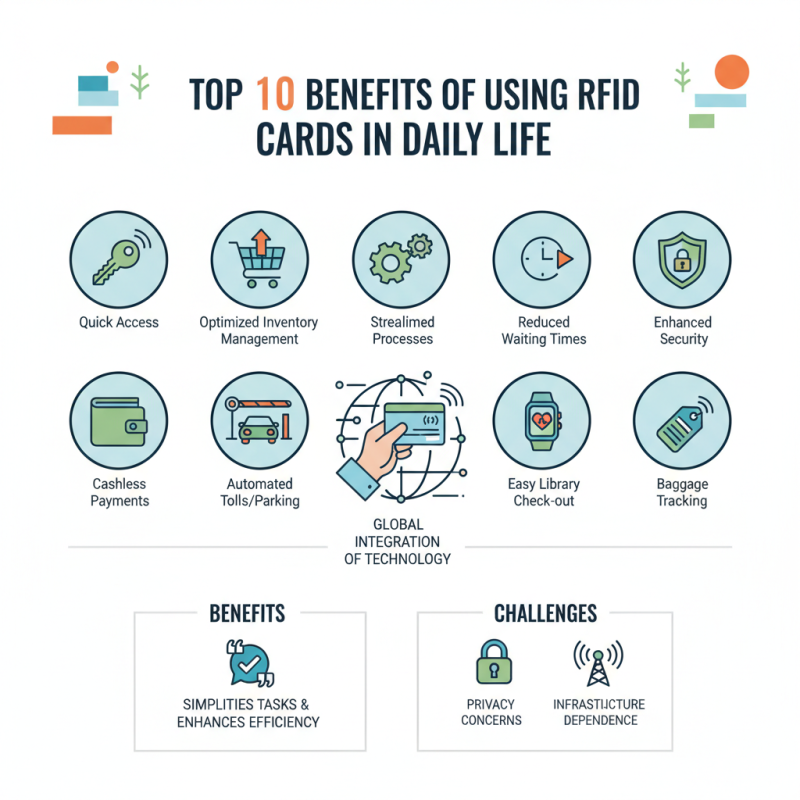
RFID Cards streamline processes, eliminating the need for traditional methods that are often slow and cumbersome. For instance, they allow for quick access to buildings or events, minimizing waiting times. Moreover, RFID technology can optimize inventory management in stores, providing accurate tracking in real-time. However, while these benefits are significant, there are still challenges to address.
Privacy concerns surrounding RFID Cards persist. Users must remain vigilant about how their data is collected and used. Additionally, not all locations have implemented this technology efficiently. The effectiveness of RFID Cards largely depends on a wider infrastructure of support. Embracing this technology brings potential, but it also requires careful consideration and improvements in security measures.
Advantages of RFID Cards in Personal Identification and Security
RFID cards have become increasingly popular in our daily lives. These cards enhance personal identification and security. They use radio frequency technology to transmit data wirelessly. This means you can tap your card instead of swiping or inserting it. Such convenience is undeniable.
Moreover, RFID cards boost safety. They reduce the chances of information theft. With encryption, your data is less likely to be accessed by unauthorized users. However, it’s essential to remember that no technology is foolproof. Vulnerabilities can still exist. Regular updates and monitoring are crucial for maintaining security.
In personal identification, RFID cards simplify various processes. You can access multiple services with one card. This minimizes the clutter of different IDs in your wallet. Yet, users should also be cautious. Lost or stolen cards can pose risks. It’s important to take proactive measures, like reporting immediately. Balancing convenience with security awareness is key in using RFID technology effectively.
Top 10 Benefits of Using RFID Cards in Daily Life
| Benefit | Description |
| Enhanced Security | RFID cards provide secure authentication and reduce the risk of unauthorized access. |
| Convenience | Easier to carry than traditional keys and ID cards, allowing for quick access. |
| Contactless Transactions | Facilitates faster transactions without the need for physical contact. |
| Durability | RFID cards are resistant to wear and tear compared to traditional cards. |
| Versatility | Can be used for various applications including access control, payment, and identification. |
| Real-time Tracking | Allows for real-time tracking of assets and individuals, enhancing security management. |
| Cost-effective | Reduces costs associated with physical security measures and manual tracking. |
| Integration with Technology | Easily integrates with mobile devices and other smart technologies. |
| User-friendly | Simple to use, requiring minimal training for effective operation. |
Enhancing Efficiency in Payment Systems with RFID Technology
RFID technology significantly enhances payment systems in our daily lives. These cards allow for contactless transactions, making payments faster and more efficient. Imagine walking into a store, picking up what you need, and simply tapping your card to pay. No more fumbling for cash or entering PIN codes. This seamless experience saves time for both customers and merchants alike.
However, we must consider the downsides. While RFID offers convenience, it raises concerns about security. There are fears of unauthorized access to personal data. Not everyone feels safe with this technology, and many prefer traditional payment methods. Also, some transactions may not go through due to compatibility issues. Such moments can lead to frustration during a quick shopping trip.
In terms of practical use, RFID cards are transforming public transport systems too. Passengers can board buses or trains effortlessly, reducing queues and wait times. This efficiency can improve overall travel experiences. Yet, the reliability of RFID systems can be inconsistent. Technical glitches may disrupt service, reminding us that while technology enhances convenience, it is not infallible.
Streamlining Access Control Mechanisms Using RFID Solutions
RFID solutions are transforming access control mechanisms in our daily lives. These systems use radio waves to identify and track items. Rather than traditional keys or access cards, RFID tags offer a seamless experience. Imagine entering a building without fumbling for your keycard. You just walk up, and the door unlocks automatically. This convenience is appealing, yet we must consider security implications.
The technology is not infallible. RFID cards can be vulnerable to hacking if not secured properly. While they streamline access, users should remain cautious about their personal data. Regular audits and updates are necessary to ensure safety. It’s important to reflect on the balance between convenience and risk in our modern lives.
In crowded spaces, RFID can help manage access efficiently. For example, in offices, unnecessary delays are reduced when employees can enter their workplace swiftly. However, this efficiency might lead to complacency. Users could forget to be vigilant about their surroundings. Awareness and caution should accompany the convenience RFID provides.
Top 10 Benefits of Using RFID Cards in Daily Life
Improving Inventory Management and Tracking through RFID Applications
RFID technology is transforming inventory management across various industries. This application allows businesses to automate tracking of goods efficiently. Each RFID card contains a unique identifier that helps in streamlining the tracking process. When items are scanned, they can be located instantly. This real-time data dramatically reduces the time spent on manual inventory checks.
However, the implementation of RFID systems isn't without challenges. Sometimes, physical barriers can hinder signal reception. This results in incomplete or inaccurate data regarding inventory levels. Moreover, not all employees are trained to handle these systems effectively. As a result, inconsistent data entry can occur. These issues highlight the need for continuous training and system updates. The importance of regular maintenance cannot be overlooked either; it ensures that the RFID system functions optimally.
Despite these potential drawbacks, the advantages of RFID are clear. Greater accuracy leads to fewer stockouts and overstock situations. Additionally, businesses can make more informed decisions based on real-time inventory data. As the technology continues to evolve, its impact on inventory management will only grow. The journey towards a fully optimized system is complex, yet rewarding.
Facilitating Contactless Transportation and Travel Experiences with RFID
RFID cards have transformed how we travel and navigate public transport systems. With a simple tap, users can board trains or buses without fumbling for cash or tickets. This streamlined process reduces wait times and enhances the overall travel experience. As cities become busier, the need for speed and efficiency in transportation is crucial.
Considerations should be made regarding battery life. RFID cards generally last a long time, but it's smart to check them occasionally. Users might find themselves stranded if their card runs out of battery unexpectedly. Keep an eye on expiration dates and replace them proactively for uninterrupted service.
Another tip is to secure your RFID card. While convenience is a major advantage, it’s vital to be vigilant. It’s easy to lose track of these cards in crowded areas. Using a designated pocket or a lanyard can prevent loss. Bright colors make them easier to spot. Emphasizing security can lead to a safer travel experience.


