What are the Best Energy Storage Battery Options in China?
As the demand for reliable and sustainable energy solutions grows, the role of Energy Storage Batteries in China has become increasingly prominent. These batteries are crucial for balancing supply and demand, especially in the face of fluctuating energy sources. With China leading in renewable energy adoption, the importance of effective energy storage systems cannot be overstated.
This sector is diverse, with various technologies emerging as viable options. Lithium-ion batteries dominate the market due to their efficiency and longevity. However, alternative solutions like flow batteries and sodium-ion batteries are gaining traction. Each type has its unique strengths and weaknesses, making the selection process challenging for consumers and businesses alike.
Investing in the right Energy Storage Battery requires careful consideration of specific needs and applications. Factors such as cost, capacity, and lifespan play a significant role in decision-making. The landscape is continuously evolving, and staying informed is key. As we delve into the best energy storage options in China, we will explore both established technologies and innovative newcomers. This knowledge is essential for harnessing the full potential of energy storage in a rapidly changing environment.
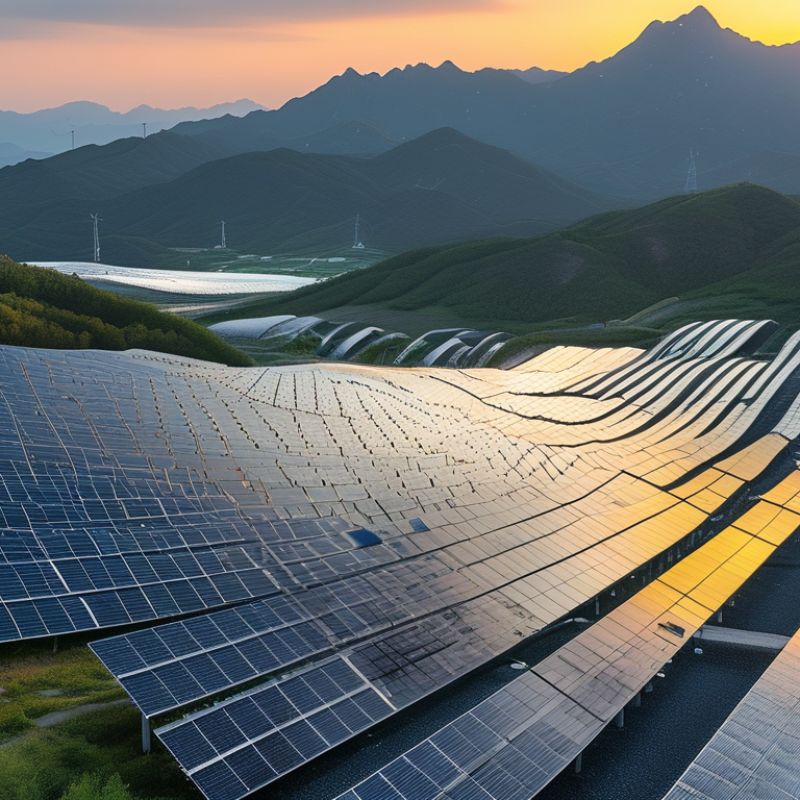
Overview of Energy Storage Battery Technologies in China
China is rapidly becoming a leader in energy storage battery technologies. The country’s commitment to renewable energy and its burgeoning electric vehicle market drive innovation in this field. According to a report by the China Energy Storage Alliance, China's energy storage capacity reached 33.9 GWh in 2022, a significant increase from previous years.
Lithium-ion batteries dominate the energy storage sector, thanks to their high energy density and decreasing costs. However, emerging technologies like sodium-ion batteries are gaining traction. These alternatives offer potential advantages in terms of abundance and cost. Recent studies show that sodium-ion batteries could be produced at one-third the cost of lithium-ion batteries, making them a compelling option for future developments.
Challenges exist in the energy storage landscape. Current battery technology often faces limitations in terms of lifecycle and efficiency. It’s essential to improve recycling methods and reduce waste. The energy sector needs to innovate for sustainability while balancing scaling and environmental impact. Clarifying these issues will be crucial in ensuring the success of energy storage solutions in China.
Key Players in China's Energy Storage Battery Market
China's energy storage battery market is rapidly evolving, driven by the need for cleaner energy solutions and grid stability. Key players in this sector include emerging companies from various regions. A recent report indicated that the market size for energy storage batteries in China is expected to reach approximately $12 billion by 2025, growing at a CAGR of over 25%. This growth reflects the significant investments made by both public and private sectors.
The competition among these players is intense. Many companies are focusing on lithium-ion technology due to its efficiency and scalability. However, challenges such as supply chain constraints and fluctuating raw material prices persist. For instance, the price of lithium has doubled in the past year, posing questions about long-term sustainability. Additionally, while some firms are advancing in terms of innovation, their strategies on recycling and waste management could benefit from improvement.
Expert analyses emphasize the importance of innovation in this field. The transition to solid-state batteries is one such area, offering enhanced safety and performance. Yet, the shift comes with technical hurdles and high initial costs. Achieving a balance between innovation and affordability remains crucial for these key players as they navigate the complexities of this growing market.
Best Energy Storage Battery Options in China (2023)
This chart illustrates the projected market share of various energy storage battery technologies in China for the year 2023. The data provides insights into the leading technologies that are shaping the energy storage landscape.
Comparison of Lithium-ion and Alternative Battery Systems
When considering energy storage solutions, lithium-ion batteries dominate the market. They offer high energy density and longer cycle life. This makes them suitable for various applications, from electric vehicles to renewable energy systems. However, they also come with challenges. Flammability and limited recycling options are significant concerns.
Alternative battery systems, like solid-state and flow batteries, present interesting benefits. Solid-state batteries provide higher safety and energy density. Flow batteries, on the other hand, allow for longer discharge times. Both options are still developing but show promise in terms of cost-effectiveness. Their widespread adoption may take time due to scalability and production hurdles.
Evaluating these options isn't straightforward. Factors like efficiency, lifespan, and environmental impact are crucial. Some alternative systems underperform in real-world conditions. Therefore, careful consideration is necessary when selecting the best energy storage technology for specific needs. Investing in research can lead to better solutions in the future.
Regulatory and Economic Factors Influencing Energy Storage Adoption
China's energy storage market is significantly shaped by regulatory and economic factors. Recent reports indicate that government policies favoring renewable energy sources have surged. In 2022, the National Energy Administration outlined targets for energy storage capacity, aiming to reach 30 GW by 2025. This ambitious goal reflects a growing commitment to sustainability. However, the implementation of these policies often lacks clarity. Companies may struggle to navigate the regulatory landscape, which can impact investment decisions.
Economic factors also play a crucial role in the adoption of energy storage. The cost of battery technology has dramatically decreased in recent years, with lithium-ion battery prices falling by over 89% since 2010. This drop encourages private sector investment but brings challenges. Investors are wary of the initial capital required for large-scale projects. Furthermore, fluctuations in raw material prices complicate long-term planning.
As China pioneers energy storage solutions, the market remains a mixed bag. There are promising prospects but also hurdles. With regulatory frameworks still evolving, stakeholders must remain agile. Understanding these dynamics is essential for stakeholders aiming to leverage China’s energy storage potential.
Future Trends and Innovations in Energy Storage Solutions in China
In recent years, China's energy storage sector has gained notable traction. Data from the China Energy Storage Alliance indicates that the country’s energy storage capacity reached over 40 GWh in 2022, with a projected growth rate of 20% annually. This surge is driven by the rapid adoption of renewable energy sources. The integration of batteries not only helps in stabilizing the grid but also supports energy management for industrial use.
Innovations in battery technology are crucial for future developments. Research from the National Renewable Energy Laboratory highlights advancements in solid-state batteries, which promise higher energy density and improved safety. Moreover, flow batteries are emerging due to their long-life cycles and scalability. As energy policies evolve, the focus is shifting towards creating a circular economy by recycling battery components. This transition is still in its infancy, highlighting the need for more sustainable practices.
Nevertheless, challenges remain. Key concerns include the sourcing of raw materials and environmental impacts of battery production. Reports indicate that lithium extraction can lead to severe ecological consequences. The industry must address these issues to ensure a sustainable energy storage future. Awareness and innovation will be crucial as China aims for carbon neutrality by 2060. Balancing growth with ecological responsibility will shape the path forward.


