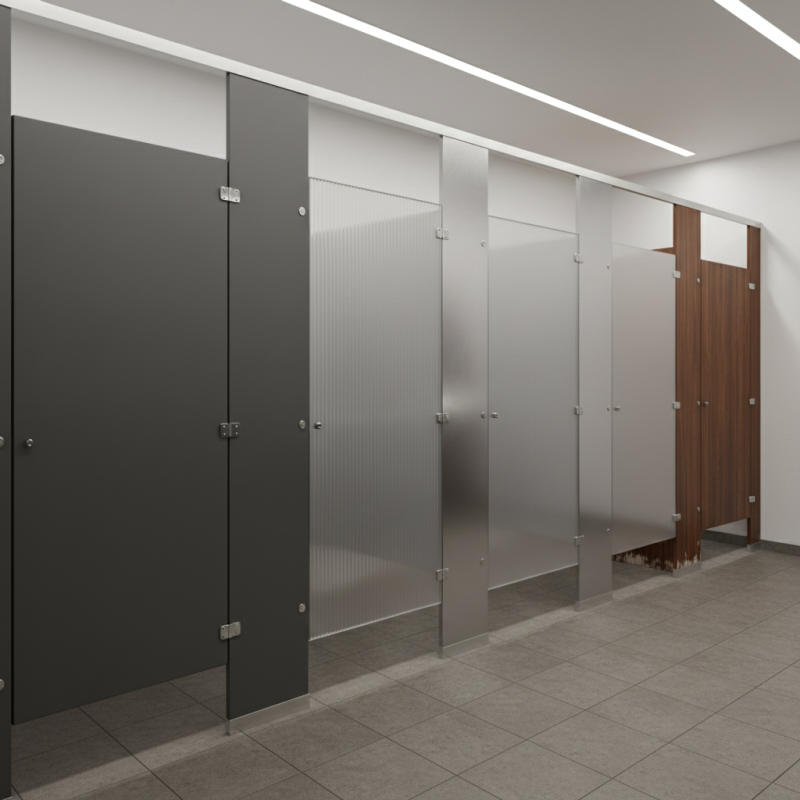
What is the Best Material for Restroom Stall Walls?
Choosing the right materials for Restroom Stall Walls is crucial. It impacts aesthetics and functionality. Various options are available, each with its benefits and drawbacks.
When selecting materials, consider durability and maintenance. Materials like acrylic and laminate offer good resistance to moisture. However, wood can warp and deteriorate over time. Some organizations opt for stainless steel for its longevity, but it can be cold and uninviting.
The environment where restroom stall walls are installed also matters. High-traffic areas need robust options. Areas with high humidity may require moisture-resistant materials. Ultimately, the best choice varies based on specific needs. Balancing cost, appearance, and durability is essential in making the right decision.
Best Materials for Restroom Stall Walls: An Overview
When selecting restroom stall wall materials, several options stand out. Steel is a strong choice for its durability. It withstands vandalism well. A survey shows coated steel walls can last up to 25 years with proper care. However, they can rust in humid environments, requiring careful maintenance.
Next, consider plastic laminate. It offers a range of colors and textures. While visually appealing, it can scratch easily. Many facilities report needing replacements after 7-10 years. This material isn't ideal for high-traffic areas. Wood is another option, giving a warm look. Yet, it is prone to warping due to humidity. Research indicates that wood stalls often require earlier replacements.
Fiberglass-reinforced plastic (FRP) is a popular choice too. It's resistant to moisture and easy to clean. Despite its advantages, the installation process can be challenging. Some experts warn that poor installation often leads to issues down the line. Each material has its pros and cons, demanding careful consideration for specific needs.
Durability and Lifespan of Common Stall Wall Materials
When selecting restroom stall wall materials, durability and lifespan are essential. Various options are available, each with unique traits. For example, stainless steel boasts impressive strength and resistance to damage. It can endure heavy usage without visible wear. However, scratch marks can still present a challenge over time.
Another option is plastic laminate. This material is lightweight and often less expensive. It offers decent resistance to moisture. Yet, it may not hold up as well under extreme impact. You could see dents or chips after several years, which can detract from the restroom’s appearance.
Tips: Choose materials based on your specific needs. Consider the expected traffic in the restroom. Installation and maintenance should also be part of your decision. Regular cleaning helps maintain the appearance of any material. Always be aware of the potential downsides of each choice before making a final decision.
Cost Analysis of Different Restroom Stall Wall Options
When selecting restroom stall wall materials, cost is a crucial factor. Different materials vary widely in price. For instance, plastic laminate walls are often more affordable than solid plastic. However, they may not be as durable in high-traffic areas. Understanding the lifespan of each option helps in making informed decisions.
Stainless steel is another choice. While its initial cost is higher, it offers excellent durability and low maintenance. This could save money over time. Yet, the initial investment can deter some facilities. Choosing cheaper materials might lead to more frequent replacements.
Additionally, consider installation costs. Some materials are easier to install, reducing labor costs. For example, some panel systems are user-friendly. They can create a more budget-friendly solution. Still, weigh this against possible long-term durability issues. Balancing cost and quality is essential for any restroom stall project.
What is the Best Material for Restroom Stall Walls? - Cost Analysis of Different Restroom Stall Wall Options
| Material Type | Cost Per Square Foot | Durability Rating (1-10) | Maintenance Level | Water Resistance |
| Stainless Steel | $40 | 9 | Low | Excellent |
| Phenolic | $30 | 8 | Low | Good |
| Plastic Laminate | $25 | 6 | Medium | Fair |
| Wood Composite | $20 | 5 | High | Poor |
| Aluminum | $35 | 7 | Medium | Good |
Hygiene and Maintenance Requirements for Stall Wall Materials
When choosing materials for restroom stall walls, hygiene is crucial. Popular options include plastic, metal, and laminate. Each has unique maintenance needs. For instance, plastic surfaces are easy to clean. They resist stains and odors well. However, they can scratch easily, which might trap dirt.
Metal materials often require more upkeep. They can rust if not properly coated. Regular inspections are necessary to ensure longevity. Moreover, laminate may look appealing but can chip. This leads to cracks where bacteria can thrive. Maintaining a clean environment is not just about surface choice; it involves routine checks and cleaning schedules.
Visualizing the restroom's condition is essential. A chipped stall wall is not only unsightly but also unhygienic. Reflections on maintenance practices can reveal areas of improvement. Regular cleaning and maintenance need to be prioritized to ensure a safe and healthy experience.
Environmental Impact of Materials Used in Restroom Stall Construction
Choosing the right materials for restroom stall walls is crucial. The environmental impact of these materials should not be overlooked. Traditional materials like metal and plastic often have significant carbon footprints. They are produced using processes that generate waste and pollution. In contrast, sustainable options like reclaimed wood or bamboo offer a greener choice. These materials require less energy for production and can be sourced responsibly.
Recycled materials can also reduce environmental harm. Using such materials helps divert waste from landfills. However, not all recycled options are equal. Some may still involve toxic chemicals during processing. It's vital to research the sourcing and manufacturing practices involved. Ill-informed choices can worsen the problem rather than solve it.
It's a complex balance between durability, cost, and eco-friendliness. While some materials are marketed as "green," they may fall short upon closer inspection. The journey towards sustainable restroom stall construction is ongoing. It requires careful consideration and a willingness to adapt. A thoughtful approach can lead to better choices for both users and the planet.