2026 How to Choose the Right NTC Thermistor for Your Needs?
In today's rapidly evolving electronic landscape, choosing the right NTC thermistor becomes crucial. According to a recent report by Market Research Future, the NTC thermistor market is expected to reach $1.5 billion by 2026, reflecting its significance in various applications like automotive and consumer electronics. Experts emphasize that making an informed choice requires understanding specific needs and product characteristics. Dr. Emily Johnson, a renowned industry specialist, states, “The efficiency and reliability of NTC thermistors can significantly impact device performance.”
Selecting the appropriate NTC thermistor involves several factors such as temperature range, resistance value, and size. Many manufacturers provide options that cater to different specifications. However, not every option is ideal for every situation. A common oversight is focusing solely on price while neglecting performance criteria. Reflecting on this, engineers must balance cost and functionality to ensure optimal outcomes.
As innovations continue, we must remain aware of evolving trends in the NTC thermistor industry. The combination of advancements and emerging demands may lead to uncertainties in product selection. Therefore, it's essential to rely on established manufacturers and validated specifications to make sound choices.
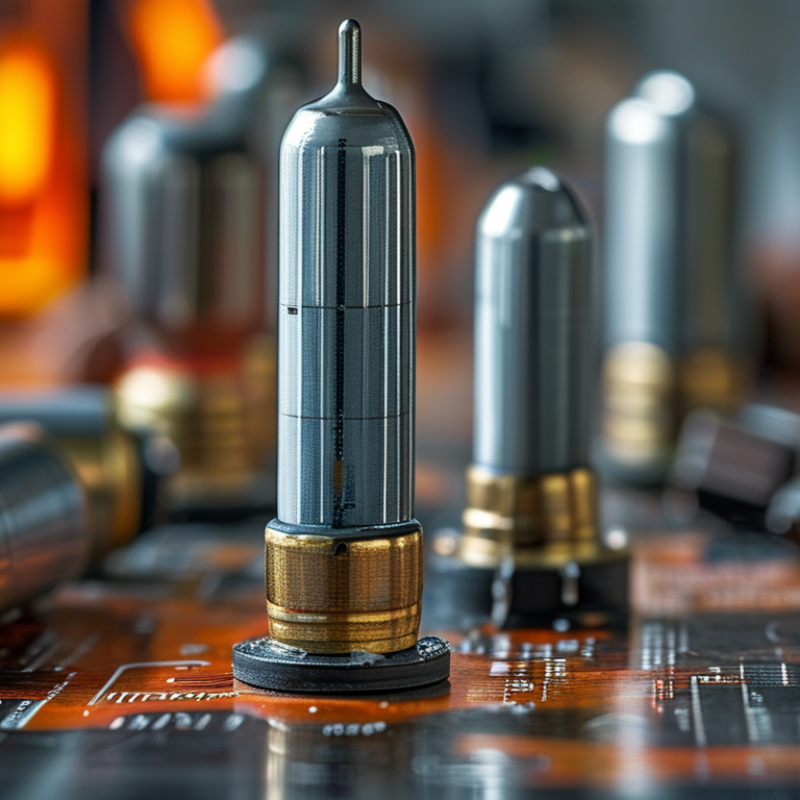
Understanding the Basics of NTC Thermistors
NTC thermistors, or Negative Temperature Coefficient thermistors, are vital components in temperature sensing and control. They exhibit a decrease in resistance as temperature rises. This characteristic makes them highly useful in various applications, ranging from automotive systems to consumer electronics. Understanding how these devices work is essential when selecting the right thermistor for your needs.
When choosing an NTC thermistor, it’s crucial to consider its resistance and temperature range. The specifications can vary significantly. Models with higher sensitivity are ideal for precise measurements. Think about the environment where the thermistor will be used. High humidity or significant vibrations can affect performance. Make sure to account for these factors to avoid failures in critical applications.
One common issue is misjudging the thermal response time. If the thermistor doesn’t react quickly, it could lead to inaccurate readings. Reflect on specific requirements such as size and packaging type, too. Smaller thermistors may be needed for compact devices, while larger thermistors can handle higher power levels. Each choice carries implications for performance and reliability.
2026 NTC Thermistor Selection Criteria
Choosing the right NTC thermistor involves understanding various specifications. This chart illustrates key parameters such as the temperature range, resistance value, thermal time constant, and B constant, which are crucial for making an informed selection to meet specific application requirements.
Key Parameters to Consider When Selecting NTC Thermistors
When selecting NTC thermistors, several key parameters deserve careful consideration. First, look at the resistance value. This is crucial as it defines how the thermistor will respond to temperature changes. It is also essential to consider the temperature range. Make sure the thermistor can operate effectively within your application's limits. Additionally, the sensitivity of the thermistor affects its performance. A more sensitive thermistor provides quicker responses to temperature fluctuations.
Tips: Always check the datasheet for detailed specifications. Verification from manufacturers can prevent costly mistakes.
Another important factor is the thermal time constant. This determines how quickly the thermistor can react to changes in temperature. A shorter time constant means faster responses, which is beneficial in dynamic environments. Also, be mindful of the packaging type. The right package enhances thermal coupling, improving overall efficiency.
Tips: Consider using multiple thermistors to compare performance. Tests can reveal unexpected results. Don't overlook calibration; it can improve accuracy significantly.
Different Applications and Usage Scenarios of NTC Thermistors
NTC thermistors are crucial in various applications. They are widely used in temperature measurement, controlling, and compensation. Many industries depend on their accuracy and reliability. For instance, HVAC systems utilize NTC thermistors to maintain optimal operating conditions. They ensure comfort in residential and commercial spaces. According to a recent industry report, the global market for NTC thermistors is expected to reach $2.5 billion by 2026, reflecting increased demand across sectors.
Different scenarios highlight the versatility of NTC thermistors. In automotive applications, these components help monitor engine temperatures. This enhances performance and prevents overheating. In consumer electronics, they ensure devices operate within safe temperature limits. The medical field also relies on these thermistors. They help regulate temperatures in equipment like incubators and diagnostic devices. However, some applications may face challenges. For example, in environments with rapid temperature fluctuations, device accuracy could be compromised.
Selecting the right NTC thermistor requires careful consideration of its specifications. Parameters such as resistance, temperature range, and sensitivity play a vital role. Users must also evaluate the thermistor's material properties. These factors impact performance in demanding environments. A mismatch can lead to inefficiencies and increased costs. Understanding these variables is critical when choosing an NTC thermistor for any application.
2026 How to Choose the Right NTC Thermistor for Your Needs? - Different Applications and Usage Scenarios of NTC Thermistors
| Application | Operating Temperature Range (°C) | Resistance (25°C) | Package Type | Typical Usage |
| Temperature Sensing | -55 to 150 | 10k | Axial | HVAC systems |
| Overtemperature Protection | -40 to 125 | 100k | SMD | Home appliances |
| Automotive Applications | -40 to 125 | 4.7k | Through Hole | Engine control units |
| Medical Devices | 0 to 100 | 10k | Miniature | Patient monitoring |
| Consumer Electronics | -20 to 85 | 47k | Disc | Smartphones, tablets |
Comparing NTC Thermistors to Other Temperature Sensors
When selecting Temperature Sensors, NTC thermistors are often compared with other technologies like thermocouples and RTDs. NTC thermistors exhibit high sensitivity, making them ideal for precise temperature measurements. According to a 2021 industry report, they can achieve a temperature resolution better than 0.1°C, which is superior in many applications, including HVAC systems and consumer electronics.
In terms of response time, NTC thermistors have an edge over thermocouples. They can respond to temperature changes in milliseconds. However, they do have limitations in high-temperature environments, often exceeding 125°C. This confines their use in certain industrial settings. Meanwhile, thermocouples can handle extreme temperatures, offering a broader range but sacrificing precision.
Cost-effectiveness is another critical factor. NTC thermistors are generally less expensive than RTDs and thermocouples. This affordability allows for widespread use in various applications. Yet, replaceability and the need for calibration can introduce challenges. Reliability ratings show that while NTC thermistors are effective, they require careful handling to maintain their accuracy over time.
Tips for Sourcing and Purchasing NTC Thermistors Wisely
When sourcing NTC thermistors, understanding your specific application is crucial. NTC thermistors are sensitive devices used in temperature measurement and control. The global thermistor market is projected to grow at a CAGR of 7.1% from 2021 to 2026, highlighting the increasing demand and complexity of these components.
Choosing the right thermistor requires attention to key parameters. The resistance value at a specific temperature is critical. Ensure you are clear about the operating temperature range. For precision applications, consider the tolerances. Look for thermistors with narrow tolerances to ensure accurate readings.
Tip: Always check the datasheet before purchasing. It provides vital information about the thermistor's characteristics. Also, consider the application environment. Some thermistors may not withstand certain physical conditions, such as moisture or vibrations.
Another important consideration is the response time. Different thermistors have varying response times based on size and material. A slower thermistor may not suit applications requiring rapid temperature changes.
Tip: Engage with manufacturers or suppliers to ask meaningful questions. Provide your application details. This often leads to better recommendations. Finding the right NTC thermistor is about more than just pricing; it revolves around matching specifications with application needs.


