How to Choose the Right Photovoltaic Connectors for Your Solar System?
Choosing the right Photovoltaic connectors is crucial for any solar system. According to industry expert Dr. Emily Roberts, "The reliability of your solar installation hinges on quality components." Photovoltaic connectors play a vital role in ensuring that the system operates efficiently.
Many may overlook the importance of these connectors. They are not just simple links; they affect performance and safety. Poor-quality connectors can lead to energy loss or even system failure. Attention to detail is necessary when selecting photovoltaic connectors. It’s vital to consider factors such as material, compatibility, and environmental resistance.
Selecting the wrong connectors can lead to costly mistakes. The market offers numerous options, which can be overwhelming. It’s easy to make a hasty choice, but that can have long-term consequences. Inadequate connectors might cause damage and affect warranty claims. Therefore, careful consideration is essential for a successful solar installation.
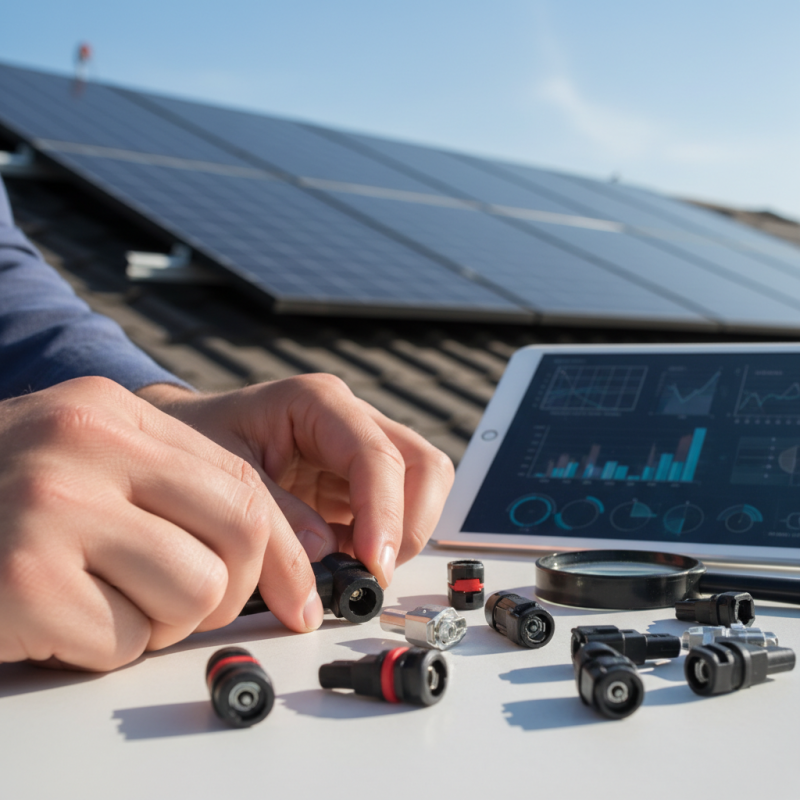
Understanding the Importance of Photovoltaic Connectors in Solar Systems
Photovoltaic connectors play a vital role in solar systems. They ensure the safe transmission of electricity generated by solar panels. A reliable connector reduces energy losses and enhances system performance. According to recent industry reports, poor-quality connectors can lead to significant efficiency drop-offs, sometimes exceeding 5%.
When selecting connectors, it's essential to consider their rated current and voltage. Connectors should match the system's requirements to prevent overheating or failure. Industry benchmarks suggest that connectors rated for at least 30A and 1000V are optimal for most residential setups. However, many overlook these specifications, leading to potential safety hazards and system inefficiencies.
Furthermore, environmental resilience is crucial. Connectors need to withstand UV exposure, humidity, and extreme temperatures. A report from the Solar Industry Association highlighted that connectors failing to meet environmental standards could lead to premature degradation, costing homeowners thousands in repairs. It's important to remember that the right photovoltaic connectors contribute significantly to the longevity and effectiveness of solar systems.
How to Choose the Right Photovoltaic Connectors for Your Solar System?
| Connector Type | Current Rating (A) | Voltage Rating (V) | Temperature Range (°C) | Wire Gauge Compatibility | Common Applications |
| MC4 | 30 | 1000 | -40 to 90 | 12 to 14 AWG | Solar panels, inverters |
| Tyco S/type | 40 | 1000 | -40 to 90 | 14 to 16 AWG | Commercial solar applications |
| H4 Connector | 30 | 1500 | -40 to 90 | 14 to 12 AWG | High-efficiency modules |
| MC3 | 20 | 600 | -40 to 85 | 14 to 16 AWG | Residential solar systems |
Types of Photovoltaic Connectors: An Overview of Available Options
When selecting photovoltaic connectors for your solar system, it's crucial to understand their types. Various connectors ensure safe and efficient connections in solar panels. The most common types are MC4 connectors, proprietary connectors, and branch connectors.
MC4 connectors are widely used due to their reliability and ease of installation. They lock securely and prevent water from entering. On the other hand, proprietary connectors may offer unique features but often lead to compatibility issues. This could cause headaches during installation or future upgrades.
Branch connectors are another option, allowing multiple solar panels to join together. They save space and simplify the wiring process. However, if not properly rated for the power output, overheating can occur.
Choosing the right connector might feel overwhelming. Each type has its pros and cons. Consider your system's specific needs and always double-check compatibility. Take your time; the right decision now can lead to fewer issues down the line.
Key Factors to Consider When Selecting Photovoltaic Connectors
Choosing the right photovoltaic connectors is crucial for solar system efficiency. Many factors impact performance. One key element is the connector's current rating. Industry data indicates that connectors must handle at least 30A for optimal solar applications. Underestimating this can lead to overheating and system failures.
Environmental conditions also matter. Connectors must resist UV exposure and moisture. Reports show that connectors not rated for these conditions can degrade quickly, leading to costly repairs. It’s essential to check the IP rating. A rating of IP67 or higher ensures durability in harsh weather. Many users often overlook this detail.
Lastly, compatibility with cables is vital. Mismatched connectors can cause significant energy losses. A study shows that improper connections can reduce efficiency by 10% or more. Users need to double-check specifications and recommendations. Not paying attention to this can lead to underperformance in energy production.
Assessing Compatibility with Solar Panels and Inverters
Choosing the right photovoltaic connectors hinges on their compatibility with solar panels and inverters. Each component in a solar system must work seamlessly together. Mismatched connectors can lead to inefficiencies and a higher risk of failure. According to industry reports, up to 30% of solar system issues stem from incorrect component pairing.
Solar connectors come in various types and specifications. It’s crucial to check the voltage and current ratings. These ratings must match your solar panels and inverters' specifications. Ignoring this can cause overheating or even damage. Standard ratings for connectors used in residential solar systems typically range from 600V to 1500V, with currents varying from 10A to 50A.
Tip: Always review certification standards. UL and IEC certifications ensure safety and reliability. Some connectors may offer high performance, but lacking proper certifications can be risky.
Different environments also impact connector choices. For instance, coastal areas with salt exposure may require marine-grade connectors. Remember that even durable connectors need regular inspections.
Tip: Consider the temperature rating of connectors. They should withstand the range of temperatures in your area. Using unsuitable connectors could lead to unexpected failures.
Photovoltaic Connectors Compatibility Assessment
Ensuring Durability and Safety Standards for Solar Connectors
Choosing the right photovoltaic connectors is crucial for solar systems. Safety is the primary concern. Connectors must comply with industry standards, like IEC 62852 and UL 6703. These ensure that connectors can withstand environmental stressors.
Temperature extremes can damage connectors. For instance, connectors rated for -40°C to 85°C are preferable. High temperatures can lead to failures; in fact, a study found that 30% of field failures in solar systems are due to connector issues. This highlights the importance of durability.
Cable types also influence connector choice. Selecting connectors that match the wire gauge ensures conductivity and safety. Some installers overlook this, leading to overheating risks. Regular visual inspections are important. Any signs of wear or discoloration can indicate potential failures. In many cases, these issues are preventable. Investing in quality connectors pays off in the long run.


