JHY PCB Blog Hub
Your Source for Expert PCB Design, Manufacturing, and Assembly Insights – Stay Informed with 2025 Trends!
How to Choose the Right Flat Wiper Blades?
How to Choose the Right Flat Wiper Blades? Rain can turn a familiar drive into a tiring test when a blade leaves a cloudy band across the glass. A Flat Wiper may look simple, yet the right choice depends on more than its shape. Length, connector style, windshield curvature, and local weather all affect how well it clears the view.
Start with the vehicle’s owner manual or a trusted fitment guide, then confirm both blade lengths and the arm connection before buying. A blade that is only slightly too long can strike trim or overlap its partner. Too short, and it may leave an unwiped strip near the driver’s sightline. Check that the adapter locks firmly, without forcing it. Small details matter.
Material and design deserve a closer look. A flexible beam-style frame can maintain contact across many curved windshields, while a protective spoiler may help resist lift at highway speeds. Neither feature guarantees quiet, streak-free wiping; worn glass, dirt, and poor installation can still cause chatter. This part is often overlooked. Clean the windshield and inspect the rubber edge before blaming the blade. The best choice is the one that matches the vehicle, suits typical driving conditions, and performs consistently after installation. Even careful buyers can miss a connector detail, so verify compatibility twice. A little doubt is useful. It keeps a quick purchase from becoming a poor fit.
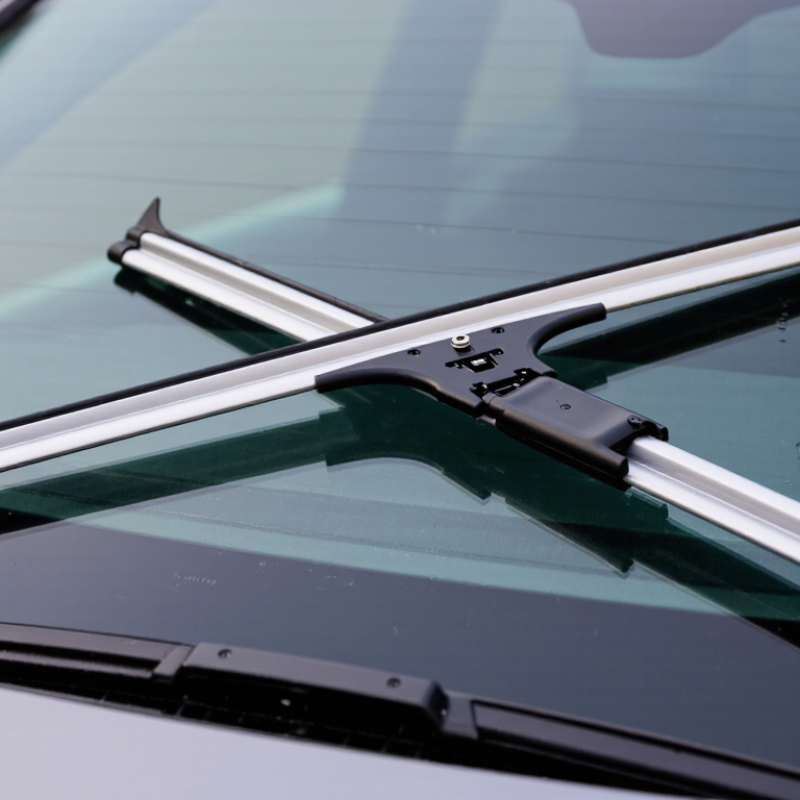
Understanding How Flat Wiper Blades Differ from Conventional Blades
How to Choose the Right Flat Wiper Blades?
Flat wiper blades use a slim, flexible beam instead of the hinged metal frame found in conventional blades. That difference changes how each blade presses against the windshield. A beam blade distributes pressure along its length, while a framed blade uses several joints and pressure points. On a curved windshield, the right fit matters more than appearance.
The low profile can reduce wind lift at highway speeds and leaves fewer exposed joints to collect slush. But flat blades are not automatically better in every condition. Some vehicles need a particular blade shape or connector, and a mismatched blade may streak near the edges. I have seen shoppers focus on the “all-weather” label and overlook the fitment details. That’s an easy mistake.
Tips: Check your vehicle manual for blade lengths and attachment type. Compare the new blade with the old one before installation, and make sure the adapter locks securely. After fitting it, test the washer and wipers on a wet windshield. Watch for missed bands, chatter, or contact with the windshield frame. A quick check saves trouble later.
Checking Your Vehicle’s Required Blade Length and Connector Type
A flat wiper blade must match both the specified length and the arm connector. Check the owner’s manual or a vehicle-specific fitment catalog, using the exact model year and trim. Driver and passenger blades may differ; some rear blades do too. A tape measure can help confirm an existing blade, but it is not a safe substitute for the vehicle specification. A previous replacement may have been the wrong size. Small mismatch, big nuisance.
Connector styles include hook, pin, bayonet, and side-lock designs. Compare the wiper arm’s shape with the blade’s adapter before buying, and confirm the adapter locks securely without force. A loose connection can shift or detach during wiping; an adapter that seems to fit may still sit at the wrong angle. Federal Highway Administration weather-related crash data reports that 46% of such crashes occur during rainfall. That figure does not measure blade performance, but it underlines why clear wiping matters. Check twice. After installation, run the blades with washer fluid and watch for missed arcs, chatter, or contact with the windshield edge. If the connector remains uncertain, verify it against the vehicle manual rather than guessing.
Comparing Blade Materials, Designs, and Weather Resistance
How to Choose the Right Flat Wiper Blades?
Comparing Blade Materials, Designs, and Weather Resistance
Flat wiper blades commonly use rubber or silicone wiping edges, each with practical trade-offs. Rubber blends are widely available and can provide reliable wiping when the edge is in good condition. Silicone may resist sun exposure and wear well, but performance and lifespan depend on the product and driving conditions. Don’t choose by material alone. A worn edge can chatter across glass, whatever it is made from.
Beam-style designs curve against the windshield without an exposed metal frame. That shape can help maintain even contact and leave fewer places for snow or ice to collect. Still, fit matters: a blade that does not match your vehicle’s arm or windshield curve may leave unwiped patches. In cold weather, flexible materials help the edge follow the glass. Heat, sunlight, road grit, and frequent dry wiping can all speed up wear. A perfect blade on a dirty windshield still streaks—an annoying, ordinary truth.
Tips: Check your vehicle’s specified blade length and connector before buying. Look for cracks, split rubber, or persistent streaks, and clean the windshield before judging a new pair. If wiping remains uneven, check the arm pressure or installation; the blade may not be the only problem.
Evaluating Fit, Durability, and Wiping Performance
How to Choose the Right Flat Wiper Blades?
Evaluating Fit, Durability, and Wiping Performance
Fit comes before features. Check your vehicle manual for the correct blade lengths and connector type; a blade that looks close may not lock securely. Also consider the windshield’s curve. Flat blades use a flexible frame to distribute pressure, but the wrong size or adapter can leave areas untouched. Listen for a firm click during installation, then gently tug the blade to confirm it is seated. Small detail. It matters.
Durability depends on the rubber compound, exposure, and care. Sunlight, heat, frost, and road grit can all wear the wiping edge. Inspect it for cracks or uneven wear, especially before a rainy season. Performance is easiest to judge on a clean, wet windshield: look for clear passes without streaks, skipped patches, or persistent chatter. A little noise can come from dirt or wax on the glass, not just a worn blade. I would not treat one dry test as proof; wipers are designed to work with moisture. Even a well-matched blade may need replacement sooner in harsh conditions, so check its results rather than relying only on a calendar.
How to Choose the Right Flat Wiper Blades? — Evaluating Fit, Durability, and Wiping Performance
Common nominal blade lengths range from 14 to 28 inches (about 35.6 to 71.1 cm). These examples are a sizing reference, not a fit guarantee: check your vehicle’s specified driver- and passenger-side lengths and connector type. For durability and wiping performance, look for secure contact across the windshield and replace blades when they streak, chatter, or leave unwiped areas.
Installing and Testing Your Chosen Flat Wiper Blades
How to Choose the Right Flat Wiper Blades?
Installing and Testing Your Chosen Flat Wiper Blades
Before fitting the blades, compare their lengths with your vehicle manual or the old pair. Check that the supplied adapter matches the wiper arm; similar-looking connectors may not lock securely. Park on a level surface, switch off the ignition, and lift each arm carefully. Place a folded towel on the windshield as a safeguard. Remove the old blade, attach the new one, and listen for a clear click. Tug gently to confirm it is seated. Don’t let the spring-loaded arm snap back onto the glass.
Tips: Clean the windshield and rubber edge with a soft cloth. Keep your fingers clear of the blade’s wiping surface, and replace one blade at a time if you’re unsure about the fitting.
Test the blades while the vehicle is parked, using washer fluid or a light spray of water. Run them at low speed, then check for missed patches, chatter, or uneven contact near the edges. Listen closely. A faint smear may come from road film rather than a faulty blade, so clean the glass and test again before making a decision. If the blade lifts, skips, or leaves a persistent streak, stop and recheck the adapter and fit. A quick installation can still need a second look.


