How to Choose the Right Pipe Cleaning Brush for Your Needs?
Choosing the right Pipe Cleaning Brush is essential for maintaining your plumbing systems. A proper brush can prevent clogs and ensure efficient water flow. Different pipes require different types of brushes. The size, material, and bristle type significantly affect performance.
Understanding your needs is key. Consider factors like pipe diameter and the nature of the buildup inside. Some brushes are designed for softer materials, while others can tackle more stubborn debris. The wrong choice could lead to damage or ineffective cleaning.
Experience plays a vital role in selecting the right tool. Reliable reviews and guidance from professionals can help. However, personal testing may still be needed to find what works best for your situation. Always be open to reassessing your choices, as new products frequently emerge in the market.
Understanding Different Types of Pipe Cleaning Brushes Available in the Market
When it comes to pipe cleaning brushes, understanding the different types available is crucial. There are nylon brushes, stainless steel brushes, and specialized brushes for specific applications.
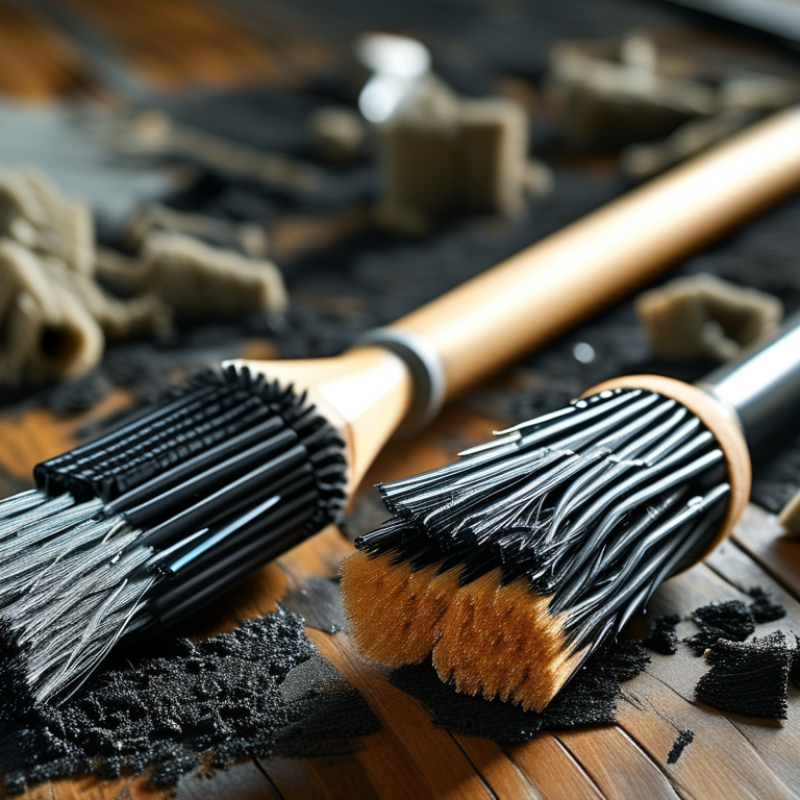
Nylon brushes are ideal for softer materials. They won’t scratch delicate surfaces. Stainless steel brushes work well on metal pipes, given their durability. However, they can damage softer pipes, so be careful.
Selecting the right brush ensures effective cleaning. Take note of the pipe diameter. A brush that’s too large won’t fit. Conversely, a tiny brush may not clean effectively. Consider the type of debris you typically encounter. For tough grime, stiff bristles are necessary. Tips can help here: always check the bristle firmness and length.
Another point to remember is maintenance. Regularly inspect your brushes for wear. A worn brush can leave dirt behind. If you notice frayed bristles, it’s time for a replacement. Think about your usage frequency. If you clean pipes often, invest in high-quality brushes. They may cost more initially but save you money down the line.
Factors to Consider When Choosing a Pipe Cleaning Brush for Specific Needs
Choosing the right pipe cleaning brush is crucial for effective maintenance. Factors to consider include brush material, size, and shape. For specific needs, nylon brushes work well on softer surfaces, while brass or stainless steel brushes are ideal for tougher applications. A recent industry report indicates that the right brush can improve cleaning efficiency by up to 40%.
Understanding pipe dimensions is essential. Brushes must fit snugly inside to clean effectively. Diameter variations can lead to gaps, allowing debris to remain unnoticed. Measure both the inner and outer diameters of pipes before selecting a brush. Ensure that the bristle stiffness matches the pipe material to avoid damage and maximize effectiveness.
Tip: Regularly inspect and replace worn brushes. Old brushes can break, causing further blockages. Cleaning frequency should align with your usage. In high-traffic areas, a weekly schedule may be necessary. Another tip is to keep brushes stored dry to avoid bristle damage. The right care can extend a brush's lifespan, making it a long-term investment.
Material Comparisons: Nylon vs. Stainless Steel vs. Brass Brushes
Choosing the right pipe cleaning brush often hinges on the material used. Each type of brush has distinct characteristics, making them suitable for various applications. Nylon brushes are popular for their gentle cleaning abilities. They are resistant to wear and can handle some tough debris without damaging soft surfaces. However, they may not be effective on heavy corrosion.
On the other hand, stainless steel brushes offer durability and strength. They are perfect for cleaning metal pipes and can efficiently tackle rust and grime. However, their bristles might scratch softer materials. Brass brushes, while softer than stainless steel, provide a balance between effectiveness and gentleness. They work well on delicate surfaces but can wear down more quickly than their stainless counterparts.
When selecting a brush, consider the specific materials you are working with. Reflect on the type of debris you typically encounter and the potential risks of scratching. Each choice presents its own trade-offs, highlighting the importance of matching your cleaning brush to your precise needs.
Sizing Up: How to Select the Correct Brush Diameter for Your Pipes
Choosing the right brush diameter is crucial for efficient pipe cleaning. A brush that is too small won't clean effectively, while one that is too large can damage your pipes. Measure the internal diameter of your pipes carefully. Use a caliper or a measuring tape for accuracy.
Consider the material of your pipes as well. Flexible brushes work well for bends and curves. Stiff bristles better address heavy clogs. Some users may overlook the brush's length. A longer brush reaches deeper into high pipes.
Purchasing a brush online can lead to mistakes. Images may not reflect actual size. Reading reviews can offer insights but remember that experiences differ. It's essential to think about your specific needs. Not every brush will work for you.
Maintenance Tips for Extending the Lifespan of Your Pipe Cleaning Brush
Taking proper care of your pipe cleaning brush can greatly extend its lifespan. Start by rinsing the brush with warm water immediately after use. This helps remove any residue that could cause bristles to become stiff or lose shape. Use a mild detergent if needed, but avoid harsh chemicals. Bristle care is essential; check for signs of wear regularly to avoid ineffective cleaning.
Storing your brush correctly also plays a role in its durability. Keep it in a dry place, away from moisture, to prevent mold. A dedicated container can help maintain its shape. Don't forget to inspect the brush’s handle for cracks or loosening. If you notice any issues, it might be time to reconsider your cleaning strategy or replace your brush.
Remember that no brush lasts forever. There will come a time when your tool may not perform as efficiently. Reflect on your cleaning habits and adjust as necessary. Frequent checks can ensure that your brush remains reliable for your cleaning needs.