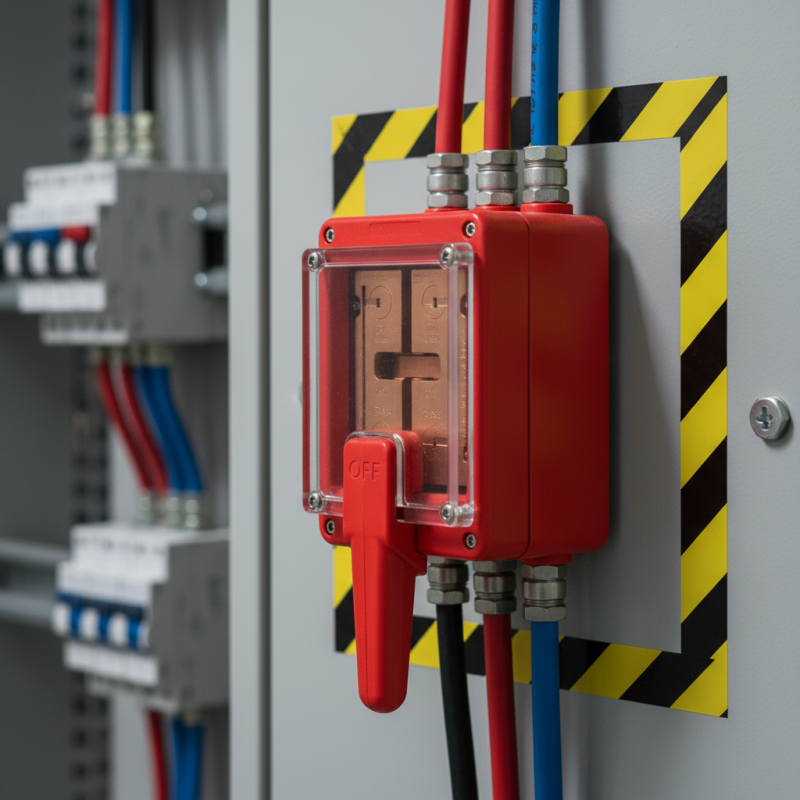
What is an Isolation Switch and How Does It Work?
An Isolation Switch is a crucial safety device in electrical systems. It ensures that power can be safely disconnected from equipment. This makes maintenance or repair work safer for technicians. Understanding how it works is vital for anyone working with electricity.
The Isolation Switch operates by breaking electrical circuits. It allows for complete separation of the power source from devices. This can prevent electrical failures and hazards. While it seems straightforward, misapplications can lead to dangerous situations. Some users may underestimate its importance, resulting in accidents.
In many settings, it is essential to use the Isolation Switch properly. It serves a functional role, but it also requires thoughtfulness in its application. Without understanding its significance, users might neglect safety precautions. Reflection on its use can prevent costly mistakes and enhance overall safety in electrical work.
What is an Isolation Switch and Its Role in Electrical Systems
An isolation switch is a crucial device in electrical systems. Its primary role is to ensure safety by isolating parts of the electrical circuit. This allows maintenance personnel to work without the risk of electric shock. By disconnecting power, the switch provides a safe environment.
These switches come in various forms. You might find them in residential, commercial, or industrial setups. A visible disconnection is often marked, ensuring that everyone knows when the system is de-energized. However, a common problem arises. Some may forget to switch it back on after maintenance, leading to downtime.
Installation of an isolation switch should be straightforward, yet it often isn’t. People may overlook its placement or functionality. This oversight can lead to disasters. Regular maintenance checks could prevent failures but are often neglected. It's essential for users to understand the importance of these switches and how they protect electrical systems. Inadequate knowledge can pose risks to safety.
The Functionality of Isolation Switches in Ensuring Electrical Safety
Isolation switches play a vital role in electrical safety. They act as a barrier between electrical systems and maintenance personnel. By disconnecting power, they help prevent accidents during repairs. This simple device can save lives.
When the switch is open, the circuit is broken. No current flows, which reduces the risk of electric shock. They are commonly used in industrial settings and residential systems. However, improper use can lead to confusion or danger. Workers must know the location of these switches. Miscommunication can lead to unintended power restoration.
Regular inspections are crucial. Dust and debris can hinder their function. If an isolation switch is faulty, it may not disconnect power effectively. Personnel should train regularly on safe practices. The understanding of isolation switches must be clear and comprehensive. Safety protocols should never be overlooked or assumed to be understood.
Key Types of Isolation Switches Used in Industrial Applications
Isolation switches play a crucial role in industrial applications. They ensure safety during maintenance by disconnecting power. Different types cater to specific needs. Common types include rotary isolation switches, panel-mounted switches, and load break switches. Each type serves unique functions in various environments.
Rotary isolation switches are versatile. They require a simple turning motion to operate. This design is user-friendly and minimizes the risk of mistakes. Panel-mounted switches offer easy access for quick disconnection. They are ideal for control panels and machinery. Load break switches can interrupt current flow even under load, making them essential for high-voltage applications.
**Tip: Always check the specifications before choosing the type.** Understanding your environment helps you select an appropriate switch. Safety features vary widely. Some may require additional protection in harsh conditions. It's important to remember that even the best switch can fail. Regular inspections are critical.
**Tip: Train staff on proper use.** Ignorance can lead to accidents, even with the right equipment. Ensuring everyone understands how to use isolation switches effectively minimizes risks. Mistakes are common, but learning from them creates a safer workplace.
Industry Standards and Regulations Governing Isolation Switch Usage
Isolation switches are critical components in electrical systems. They provide a means to safely disconnect sections of a circuit. Industry standards, such as IEC and UL guidelines, set requirements for their design and usage. Compliance with these standards helps enhance safety and reliability.
One key regulation is the need for clear labeling. Labels must indicate the switch's function and status. They should be easily readable even in poor lighting conditions. Training personnel on the proper use of isolation switches is crucial. Misunderstanding their operation can lead to dangerous situations.
Regular maintenance and testing are also essential. Wear and tear can compromise switch performance. Adhering to scheduled inspections helps identify potential issues early. Still, some facilities lag in this area, putting workers at risk. It’s vital to recognize these gaps and act upon them for improvements.
Isolation Switch Usage in Various Industries
Comparative Analysis of Isolation Switches and Circuit Breakers in Performance
Isolation switches and circuit breakers serve critical roles in electrical systems. While both prevent damage and enhance safety, their performance varies significantly under different conditions. According to industry reports, isolation switches can isolate a section of a circuit without interrupting the entire system. They are designed for visible disconnection, allowing maintenance without the risk of electrocution. This makes them indispensable in high-voltage applications.
Circuit breakers, however, automatically interrupt the current flow during overloads or faults. They are designed for rapid response times. A study indicated that modern circuit breakers can trip in less than 0.1 seconds in some cases. This quick action protects sensitive equipment from damage. However, their reliance on electronics can make them less reliable in harsh environments compared to isolation switches, which are generally more robust.
In real-world applications, the choice between these devices can be complex. Isolation switches may be less effective in emergency situations compared to circuit breakers. On the other hand, while circuit breakers provide automatic protection, they may fail to function correctly if not regularly maintained. Understanding the trade-offs is essential for engineers designing reliable systems. Evaluating performance in different scenarios can prevent costly mistakes.
What is an Isolation Switch and How Does It Work? - Comparative Analysis of Isolation Switches and Circuit Breakers in Performance
| Feature | Isolation Switch | Circuit Breaker |
| Function | Disconnecing power for maintenance | Automatically disconnecting in fault conditions |
| Operation Mode | Manual | Automatic |
| Load Handling | Not designed for Load Switching | Designed for load switching |
| Typical Applications | Isolation of circuits or machinery | Overcurrent protection for entire systems |
| Safety Features | Visible indication of the off position | Trip mechanisms for fault detection |
| Cost | Generally lower | Generally higher due to additional features |
| Maintenance Requirements | Regular visual inspection | Periodic testing and inspection |