Nylon Insulated Terminal Types and Their Best Uses?
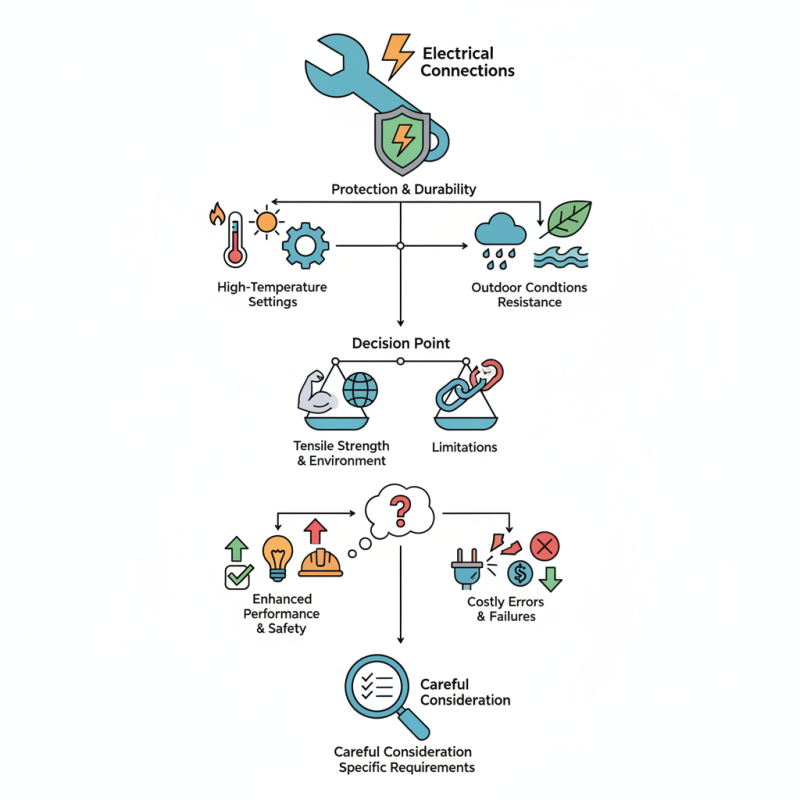
Nylon Insulated Terminals are essential in electrical connections. Their design offers both protection and durability. These terminals are widely used in various applications, ensuring reliable connections in multiple environments.
Choosing the right type is crucial. Different types suit different needs. For example, heat resistance is vital for high-temperature settings. Some terminals excel in outdoor conditions where moisture is a concern. While nylon offers many advantages, it also has limitations. Users must consider factors like tensile strength and environmental exposure.
Understanding these nuances can prevent future issues. Mistakes in selecting Nylon Insulated Terminals may lead to failures. Thus, careful consideration is important. The right choice enhances performance and safety. Knowing the specific requirements can help avoid costly errors.
Types of Nylon Insulated Terminals: An Overview
Nylon insulated terminals are essential in various electrical applications. These terminals serve as a protective layer, preventing corrosion and enhancing conductivity. According to industry reports, approximately 40% of electrical failures stem from inadequate insulation. This underscores the importance of choosing the right terminal type.
There are several types of nylon insulated terminals. Spade terminals are popular for their easy connection and disconnection. Ring terminals provide a secure fit and are ideal for grounding applications. Bullet terminals, though less common, are useful for wiring harnesses. Each type has its specific advantages and appears suited to particular tasks.
However, the decision-making process is not always straightforward. Some users overlook the environmental factors. Temperature variations can affect nylon's performance. Additionally, improper installation can lead to failures, even with high-quality terminals. Adopting a thoughtful approach to selection and installation will improve reliability and performance.
Key Features of Nylon Insulated Terminals
Nylon insulated terminals are popular in various electrical applications due to their unique features. They are durable and provide excellent resistance to heat and moisture. This makes them suitable for outdoor installations. Their design reduces the risk of electrical shorts, a common problem in wiring systems.
Another key feature is their versatility. These terminals come in various shapes and sizes. This allows for easy connection to different types of wires. Users can select the right terminal for their specific needs. However, it is essential to choose the correct gauge. Incorrect sizes can lead to poor connections.
In terms of installation, nylon insulated terminals can be straightforward to use. Many people find them easier to handle than uninsulated options. Yet, inexperienced users may struggle with crimping tools. Misuse can damage the terminal or the wire. Proper technique is crucial for optimal performance.
Nylon Insulated Terminal Types and Their Best Uses
| Terminal Type | Key Features | Best Uses |
| Fork Terminal | Easy to install, provides a stable connection. | Used in applications where frequent disconnection is needed. |
| Ring Terminal | Secure connection, suitable for grounding purposes. | Ideal for automotive and industrial equipment. |
| Bullet Terminal | Provides a quick connect/disconnect option. | Commonly used in wiring harnesses and devices. |
| Spade Terminal | Simple and versatile, allows for various sizes. | Used in both home appliances and automotive applications. |
| Heat Shrink Terminal | Waterproof seal after heating, offers added protection. | Best for outdoor or marine applications. |
Common Applications for Nylon Insulated Terminals
Nylon insulated terminals are widely used in various applications. They provide excellent protection against electrical shorts and environmental factors. These terminals can be found in automotive wiring, home appliances, and electronic devices. In the automotive sector, they ensure safe connections in harsh conditions. A single loose connection can lead to significant issues. Using the right terminal is crucial in these situations.
In industrial settings, nylon insulated terminals are popular for automotive assembly lines. They often connect lighting fixtures in outdoor areas. Furthermore, they are effective in areas where exposure to moisture is a concern. The black nylon material repels water, adding a layer of safety. However, one must ensure that the terminal size fits the wire gauge. A mismatch can cause overheating or electrical failure.
In residential applications, these terminals are common in lighting and power systems. Their durability is an advantage for DIY enthusiasts. Nonetheless, improper installation can lead to malfunctions. Careful attention is needed when crimping terminals onto wires. It’s easy to overlook the smallest details, yet they are vital for safety and functionality. Select the appropriate size and type to maximize performance.
Nylon Insulated Terminal Types and Their Common Applications
Advantages of Using Nylon Insulated Terminals
Nylon insulated terminals are popular in various electrical applications. Their main advantage lies in their ability to prevent short circuits and enhance safety. The insulation provided by nylon reduces the risk of accidental contact with conductive surfaces. Thus, they are ideal for environments where exposure to moisture is a concern.
Using nylon insulated terminals can also improve overall durability. These terminals resist corrosion and withstand harsh conditions, extending their lifespan. Moisture, heat, and chemicals have less effect on them. This quality makes them suitable for automotive and marine applications, where reliability is paramount.
Tip: Always ensure proper sizing. An improperly sized terminal may lead to inadequate connections. This can result in overheating or electrical failures.
In conclusion, the ease of installation and flexibility are added benefits of nylon insulated terminals. They can adapt to various wire gauges. This versatility allows for creative solutions in complex setups.
Tip: Regular inspection is crucial. Look for signs of wear, especially in critical areas. Prompt replacements can prevent future issues.
Installation Tips for Nylon Insulated Terminals
Nylon insulated terminals are popular for their durability and resistance to wear. When installing these terminals, attention to detail is key. Start by selecting the correct terminal size for the wire gauge. Poor fit can lead to failures. The American Wire Gauge standards indicate that a mismatch can decrease conductivity by up to 25%.
Preparation is crucial. Strip the wire carefully, exposing just enough copper to fit into the terminal. Excessive stripping can lead to shorts. In 2022, studies revealed that improper insulation techniques accounted for 15% of electrical failures. Use a quality crimping tool to secure the connection. Remember, crimping too hard can damage the terminal, while too little pressure leads to loose connections.
Testing connections after installation is equally important. A multimeter can help ensure there is no resistance in the circuit. Resistance greater than 2 ohms is concerning. Documentation indicates that regular checks can reduce troubleshooting time by 30%. Installers should not rush this process. Mistakes in installation can lead to costly repairs or safety hazards. Take time to do it right.