What is a Regulated Power Supply and How Does it Work?
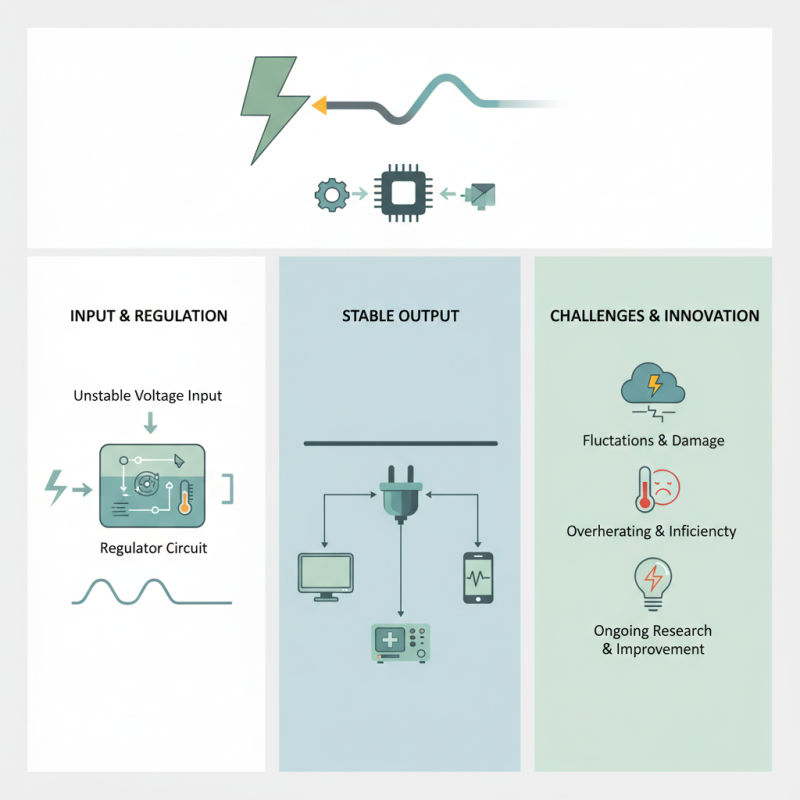
Understanding the concept of a Regulated Power Supply is essential for various industries. According to Dr. Jane Foster, an expert in electrical engineering, "A Regulated Power Supply ensures stable voltage output, crucial for sensitive devices." This technology plays a pivotal role in powering everything from computers to medical equipment.
A Regulated Power Supply adjusts its output to maintain a consistent voltage despite variations in input voltage or load conditions. This reliability is vital in preventing damage to connected devices. For instance, without effective regulation, fluctuations can lead to failures in crucial applications. It’s fascinating yet worrying that many take power stability for granted.
However, challenges remain in design and implementation. Many manufacturers face issues like overheating and inefficiency in their regulated systems. These problems require ongoing examination and innovation. Striving for improvement can help enhance the performance and reliability of Regulated Power Supplies significantly.
Definition and Purpose of a Regulated Power Supply
A regulated power supply is a crucial component in many electronic circuits. It maintains a constant output voltage or current despite variations in input voltage or load conditions. The purpose of a regulated power supply is to ensure devices receive stable power, improving efficiency and reliability.
According to a recent industry report by the Global Power Supply Market Research, around 40% of all electronic failures are linked to inconsistent power sources. This statistic shows how important it is to utilize regulated supplies in critical applications. Examples include medical devices and telecommunications equipment, where precise voltage control is vital for performance.
The design of a regulated power supply typically includes feedback mechanisms. These systems adjust the output based on real-time measurements. However, not all designs are flawless. Some may exhibit ripple noise or transient responses that could affect sensitive equipment.
Designers must carefully consider these factors. Ensuring stability while minimizing costs is a constant challenge in this field.
Key Components of a Regulated Power Supply
A regulated power supply is essential in various applications. It provides stable voltage and current, minimizing fluctuations that can damage electronic components. To achieve this stability, several key components work together.
The transformer is fundamental. It steps down the voltage to a more manageable level. Next, the rectifier converts AC to DC. This DC power still has ripples, which can affect performance. Therefore, a filter is used to smooth the fluctuations. Capacitors serve as filters, absorbing the ripples. They play a critical role in achieving a steady output.
The voltage regulator then ensures that the output remains constant, even with changes in input or load. Different types of regulators exist, each with distinct benefits and limitations. Sometimes, they may not respond quickly enough to rapid changes, leading to brief inconsistencies. Understanding these nuances is vital when designing or selecting a regulated power supply.
Voltage Regulation of Power Supplies
This bar chart illustrates the comparison between input voltage, output voltage, and regulated voltage in a regulated power supply. The values indicate how the power supply stabilizes the output voltage to maintain a constant level despite variations in input voltage.
Types of Regulated Power Supplies and Their Applications
Regulated power supplies are crucial in numerous applications. They ensure steady voltage and current, minimizing fluctuations that can damage sensitive electronics. There are various types of regulated power supplies, each suited to specific needs.
Linear power supplies are common in labs and audio equipment. They offer low noise and high stability. However, they can be inefficient and generate heat.
Switching power supplies are more efficient, making them ideal for consumer electronics. According to recent data, the market for switching power supplies is expected to grow at a CAGR of 6.5% through 2027.
Linear supplies struggle with high power applications. A 2021 report noted that over 20% of energy is wasted in some linear designs. This inefficiency is a significant drawback in today’s energy-conscious market.
Switching supplies, although more complex, can deliver the necessary power with less waste. Their versatility makes them suitable for everything from smartphones to industrial machinery.
Principle of Operation: How a Regulated Power Supply Works
A regulated power supply is crucial in many electronic applications. It ensures a constant output voltage. This stability protects sensitive components. The principle of operation behind a regulated power supply is fairly straightforward. It utilizes feedback systems to maintain voltage levels. When output voltage drops, the system compensates. Conversely, if the voltage rises, it reduces output.
The most common type includes a transformer, rectifier, and voltage regulator. The transformer adjusts voltage levels to the desired range. The rectifier converts AC to DC. Then, the voltage regulator ensures a steady output. According to industry reports, regulated power supplies are crucial in fields like telecommunications, computing, and automation. Typically, they improve efficiency by up to 90% compared to unregulated alternatives.
Despite their benefits, challenges exist. Heat dissipation can affect performance. Over time, components may wear out, leading to instability. Users frequently overlook the importance of regular maintenance. Ignoring these factors can lead to unexpected downtime. It’s essential to evaluate the health of power supplies routinely. Understanding how these systems work can help in making informed decisions.
Benefits and Limitations of Using a Regulated Power Supply
Regulated power supplies play a crucial role in electronics. They ensure devices receive stable and consistent voltage. This stability is vital for sensitive components. For example, fluctuations in power can damage circuit boards or reduce efficiency. A regulated power supply maintains output, preventing these issues.
Benefits abound with regulated power supplies. These systems reduce noise in signals, improving performance. Moreover, they offer reliable operation in various environments. According to a report by the International Electrotechnical Commission, regulated supplies can enhance lifespan by up to 30%. This reliability makes them indispensable in industrial applications.
However, limitations exist. Regulated power supplies can be more expensive than unregulated types. Additionally, they often feature complex circuits that require professional expertise for maintenance. This complexity can lead to potential failure points.
Tips: Always assess your power needs before choosing a supply. Understand both the advantages and drawbacks. This can save time and costs. Regular inspections can help identify issues early. Ensure you're investing wisely in power solutions.
What is a Regulated Power Supply and How Does it Work? - Benefits and Limitations of Using a Regulated Power Supply
| Aspect | Description |
| Definition | A regulated power supply maintains a constant voltage output despite variations in load current or input voltage. |
| Types | Linear and Switching power supplies are the two primary types of regulated power supplies. |
| Benefits | Provides stable voltage, reduces noise, improves the efficiency of electronic circuits. |
| Limitations | Can be more expensive, may generate heat, and could be less efficient at low loads. |
| Applications | Used in computers, communication devices, and various industrial applications where stable power is crucial. |
| Performance Metrics | Output voltage stability, load regulation, line regulation, and efficiency rating are key performance metrics. |


