JHY PCB Blog Hub

Your Source for Expert PCB Design, Manufacturing, and Assembly Insights – Stay Informed with 2025 Trends!

7 Tips for Choosing Aluminum Sliding Door Profiles

Choosing an aluminum sliding door profile is not merely a matter of appearance. It affects daylight, ventilation, security, thermal comfort, and long-term maintenance. The frame may look slim in a showroom, yet its wall thickness, thermal break, drainage, and hardware determine how it performs after years of use.

The International Energy Agency reports that buildings consume about 30% of global final energy and create roughly 26% of energy-related emissions. Door and window systems cannot solve this challenge alone, but they can reduce unwanted heat transfer when properly designed. The U.S. Department of Energy also estimates that windows account for 25–30% of residential heating and cooling energy use. These figures make profile selection a practical building-performance decision, not simply a decorative choice.

A reliable Aluminum Sliding Door Profile should match the local climate, opening size, glass weight, exposure, and installation method. Look for tested air leakage, water resistance, structural performance, and thermal transmittance. Standards from organizations such as AAMA and NFRC provide useful comparison points, although certification details must be checked carefully. Numbers can mislead.

A larger track is not always stronger. A thicker profile is not automatically more efficient. Real projects often fail because drainage, rollers, seals, or installation tolerances receive too little attention. This guide presents seven practical tips for evaluating profiles, from alloy and thermal-break design to load capacity, surface finishing, and supplier support. Some choices remain imperfect. The best solution is usually the one that balances measurable performance, serviceability, budget, and the building’s actual conditions.
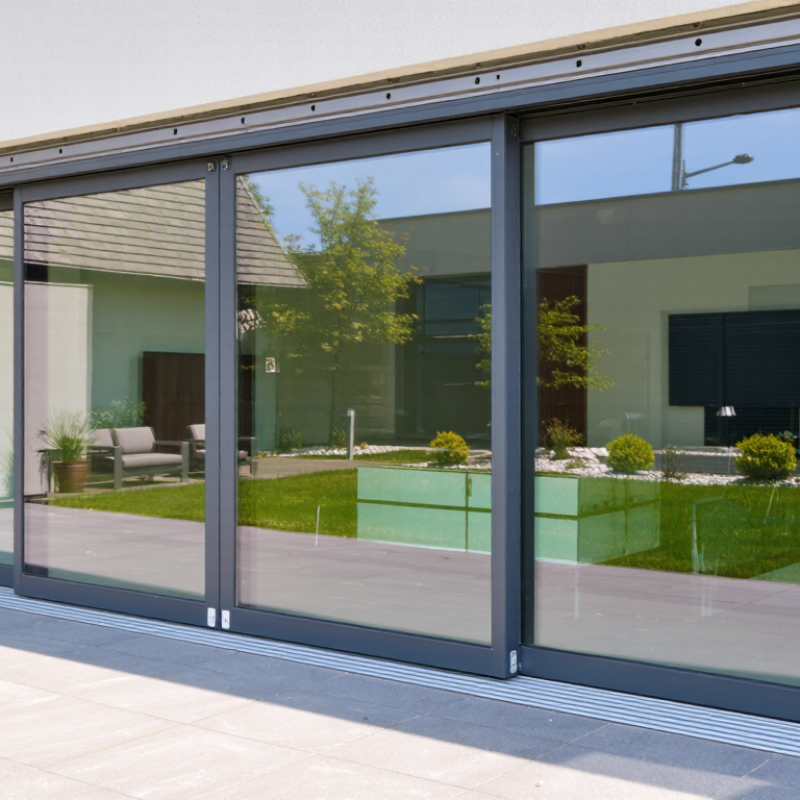
7 Tips for Choosing Aluminum Sliding Door Profiles

Define Your Door’s Size, Layout, and Functional Requirements

7 Tips for Choosing Aluminum Sliding Door Profiles

Define your door’s size, layout, and functional requirements before comparing aluminum profiles. Measure the finished opening, not just the rough wall space. Record width, height, sill depth, and the number of sliding panels. Tip 1: Check the clear opening you actually need. A wide frame may reduce usable passage space. Tip 2: Confirm whether panels slide in one direction or meet at the center. The layout affects tracks, locks, and profile strength.

Tip 3: Match the profile to the panel size and glass weight. Larger panels require stronger sections and reliable rollers. Tip 4: Consider wind exposure, rain, and daily traffic around the door. A coastal opening needs different protection than an indoor divider. Tip 5: Review the threshold height. Low thresholds improve access, but drainage must remain effective. Small details matter.

Tip 6: Ask how the rollers, seals, and drainage channels can be maintained. Hidden components look neat, but repairs may become difficult. Tip 7: Check thermal performance if the door separates conditioned rooms. A thermally improved profile can reduce uncomfortable cold edges and condensation. In practice, choosing the slimmest frame is not always best. I have seen beautiful layouts become awkward because furniture blocked the opening. Recheck swing areas, handle positions, and cleaning access before final selection.

7 Tips for Choosing Aluminum Sliding Door Profiles - Define Your Door’s Size, Layout, and Functional Requirements

Tip What to Define Recommended Reference Range Profile or Door Requirement Why It Matters
1. Confirm the Overall Door Size Finished opening width and height, including installation clearances Measure the opening at several points; use the smallest width and height for planning Choose profiles rated for the calculated sash size and glass weight Accurate dimensions help prevent binding, excessive gaps, and difficult installation
2. Select the Suitable Layout Number of panels, fixed sections, and sliding direction Common layouts include 2-panel, 3-panel, and 4-panel configurations Use compatible meeting stiles, interlocks, tracks, rollers, and end profiles The layout affects the clear opening, ventilation, access, and amount of frame material
3. Calculate Panel Weight Panel dimensions, glass thickness, infill type, and hardware load Glass density is approximately 2,500 kg/m³; actual sash weight also includes aluminum and hardware Select rollers and tracks with a rated capacity above the calculated sash weight Correct load selection supports smooth movement and reduces premature roller wear
4. Match the Thermal Performance Indoor climate, glazing type, and required energy performance Thermally broken profiles use an insulating polyamide barrier between interior and exterior aluminum sections Consider thermal breaks, glazing thickness, insulated glass compatibility, and drainage design Thermal design can reduce heat transfer, condensation risk, and indoor temperature fluctuations
5. Check Weather Resistance Exposure to rain, wind, dust, and differences in indoor and outdoor pressure Look for continuous seals, interlocking meeting stiles, weep holes, and sloped drainage paths Specify weather seals and a sill system designed to drain water away from the interior A complete water-management design helps limit air leakage and water infiltration
6. Define Security and Operation Locking points, handle position, anti-lift protection, and frequency of use High-use doors generally need durable rollers, reinforced lock areas, and adjustable hardware Confirm compatibility among lock bodies, handles, rollers, tracks, and profile cavities Integrated hardware improves security, alignment, ease of use, and long-term serviceability
7. Verify Fabrication and Compliance Needs Cutting method, drainage details, surface finish, glazing method, and local regulations Use profile drawings, installation tolerances, glass specifications, and applicable building-code requirements Confirm section dimensions, wall thickness, finish durability, corner connections, and test documentation Early verification reduces fabrication errors and helps ensure the completed door performs as designed

Note: Reference values are general planning guidance. Final profile selection should be based on project calculations, approved drawings, hardware ratings, glass specifications, and applicable local building requirements.

Compare Aluminum Grades, Profile Shapes, and Structural Strength

7 Tips for Choosing Aluminum Sliding Door Profiles

Choosing an aluminum sliding door profile starts with the alloy, not the finish. Common 6063 aluminum offers smooth extrusion surfaces and reliable corrosion resistance. It suits residential frames and detailed profile shapes. Some projects need 6061 or another higher-strength alloy. However, higher strength can reduce extrudability and increase cost. Ask for the alloy designation, temper condition, and independent test records. Do not judge quality by polished surfaces alone.

Profile shape directly affects stiffness. A deep hollow section usually resists bending better than a shallow, wide section. Internal ribs can reduce twisting around large glass panels. Thermal breaks also limit heat transfer through the frame. Measure the opening width, glass weight, wind exposure, and expected usage before selecting dimensions. I once underestimated the deflection risk in a wide opening. The frame looked substantial, but its unsupported span needed reinforcement. That mistake changed my checking process.

Structural strength depends on more than aluminum grade. Review wall thickness, corner joints, rollers, fasteners, and drainage paths together. A thicker profile is not automatically stronger. Poorly connected corners can fail before the extrusion does. Request load calculations based on local building requirements and installation conditions. Check whether testing covers air leakage, water penetration, and repeated sliding cycles. Small rollers may feel smooth in a showroom. They can struggle under heavy glass. A qualified fabricator should verify tolerances on site, because uneven floors and walls often change the final performance.

7 Tips for Choosing Aluminum Sliding Door Profiles

Compare aluminum grades, profile shapes, and structural strength before selecting a sliding door system. The chart shows typical minimum yield and tensile strength values for commonly used extruded aluminum alloys in MPa.

How to use this comparison: 6063 alloys are widely selected for architectural extrusions because they offer good surface finish and formability. 6061-T6 provides higher strength but can be less suitable for complex decorative profiles. For profile shape, deeper box sections and closed chambers generally provide greater bending and torsional stiffness than flat or open sections with the same material weight. Always verify wall thickness, span, wind load, hardware load, temper, and applicable building codes before final selection.

Evaluate Thermal Breaks, Glazing Options, and Energy Performance

7 Tips for Choosing Aluminum Sliding Door Profiles

A sliding door profile should be judged beyond its surface finish. Check whether the frame includes a continuous thermal break, which separates interior and exterior aluminum with an insulating barrier. This reduces heat transfer and helps limit interior condensation around the frame. Ask for tested U-values, not general claims. Lower values usually indicate better insulation, but test conditions must match your project.

Glazing selection can change the door’s energy performance significantly. Double glazing may suit mild climates, while triple glazing can improve comfort in colder regions. Low-emissivity coatings help control radiant heat, and solar-control glass can reduce glare near large west-facing openings. Confirm the glass U-value, solar heat gain coefficient, and visible light transmission. Details matter. Warm-edge spacers may also reduce cold edges.

Do not overlook air leakage and installation quality. A well-designed profile can still perform poorly if rollers, gaskets, or drainage paths are incorrectly fitted. Look for durable seals that compress evenly when the panel closes. I once reviewed a project where the specified glass was efficient, but uneven installation caused drafts beside the lock stile. That mistake was expensive to correct. Check the sill design, track alignment, and compatibility between frame depth and glazing thickness. Energy performance is not only a product feature; it depends on the complete door assembly and local exposure.

Check Surface Finishes, Weather Resistance, and Maintenance Needs

7 Tips for Choosing Aluminum Sliding Door Profiles

Check Surface Finishes, Weather Resistance, and Maintenance Needs

Choosing aluminum sliding door profiles starts with the surface finish. Inspect samples in daylight, not beneath bright showroom lamps. An even anodized layer should feel smooth and look consistent. Powder-coated surfaces need firm adhesion, especially around corners and screw holes. Rub the finish gently with a clean cloth. It should not snag. Small color differences may appear after production. Ask for documented coating tests instead of accepting a vague promise.

Weather resistance deserves equal attention. Ask about coating thickness, corrosion testing, and water drainage. Coastal homes usually need stronger protection than dry inland rooms. Check whether the profile includes sloped tracks and clear drainage slots. These details help move rain away from the frame. Examine gaskets at every corner. Loose joints can invite drafts and fine dust. A sturdy-looking profile may still perform poorly when rollers bind. Test the sample with one hand. That simple check reveals more than photographs.

Maintenance needs often receive too little attention. Choose tracks that can be cleaned without removing the door. Look for replaceable rollers and seals with accessible fixing points. Ask how often cleaning is recommended, especially near roads or saltwater. Use a soft brush, mild soap, and fresh water. Avoid abrasive pads; they can dull the finish. I once focused too much on color and overlooked drainage. That was an avoidable mistake. Now I inspect the bottom rail after heavy rain. Water should leave quickly, without pooling inside the track.

Verify Hardware Quality, Safety Features, and Installation Compatibility

7 Tips for Choosing Aluminum Sliding Door Profiles

Verify Hardware Quality, Safety Features, and Installation Compatibility

A sliding door is only as reliable as its moving parts. Check rollers, locks, handles, and fasteners before comparing profile shapes. Quality rollers should move smoothly without grinding or wobbling. Ask for load ratings and cycle-test information, not just attractive photos. Stainless or properly treated hardware usually handles moisture better, but finish quality still needs inspection. Small gaps can invite corrosion.

Safety details deserve close attention. Look for anti-lift blocks, secure locking points, controlled closing, and suitable safety glass. The glass specification must match the door size and location. A strong profile cannot compensate for weak hardware or incorrect glazing. Test the lock with the panel slightly misaligned. It should remain practical, not require force. This simple check is often missed.

Installation compatibility prevents expensive problems later. Measure the opening, wall depth, sill height, drainage path, and finished floor level. Confirm the profile accepts the selected rollers, glass thickness, seals, and locking system. Also check thermal expansion allowances in warmer climates. I once trusted a profile drawing without checking the actual track height. The frame looked correct, but the finished floor blocked the rollers. That mistake was avoidable. Review installation tolerances with an experienced installer, and request clear adjustment instructions. A checklist helps, though it cannot replace an on-site inspection.

Scroll to Top