JHY PCB Blog Hub

Your Source for Expert PCB Design, Manufacturing, and Assembly Insights – Stay Informed with 2025 Trends!

Top Reaction Injection Molding Manufacturers in 2026

Reaction Injection Molding (RIM) helps manufacturers produce large, lightweight parts with complex shapes and smooth surfaces. The process typically mixes reactive liquid components and injects them into a mold, where they cure into a solid part. Think of an equipment cover with deep ribs, mounting points, and a finished exterior formed in one tool. That design flexibility makes RIM relevant across automotive, medical, industrial, and specialty applications.

Choosing a supplier takes more than comparing a website or a list of machines. Buyers should look for evidence of experience with the required resin system, part dimensions, annual volumes, tooling, and quality controls. Ask how a prospective manufacturer manages prototypes, dimensional checks, color consistency, and production changes. Details matter. A capable partner should also explain limitations clearly, including where another process may fit better. This guide to Top Reaction Injection Molding Manufacturers in 2026 offers a practical starting point for comparing providers, not a substitute for technical qualification. Capabilities can change, and public descriptions may leave important questions unanswered. Confirm current equipment, certifications, capacity, and project references directly before making a shortlist. The right choice depends on the part, not just the supplier’s name. A modest caveat: even careful comparisons cannot predict every production issue. The most reliable decision comes from matching documented capabilities to your specifications and discussing risks early.
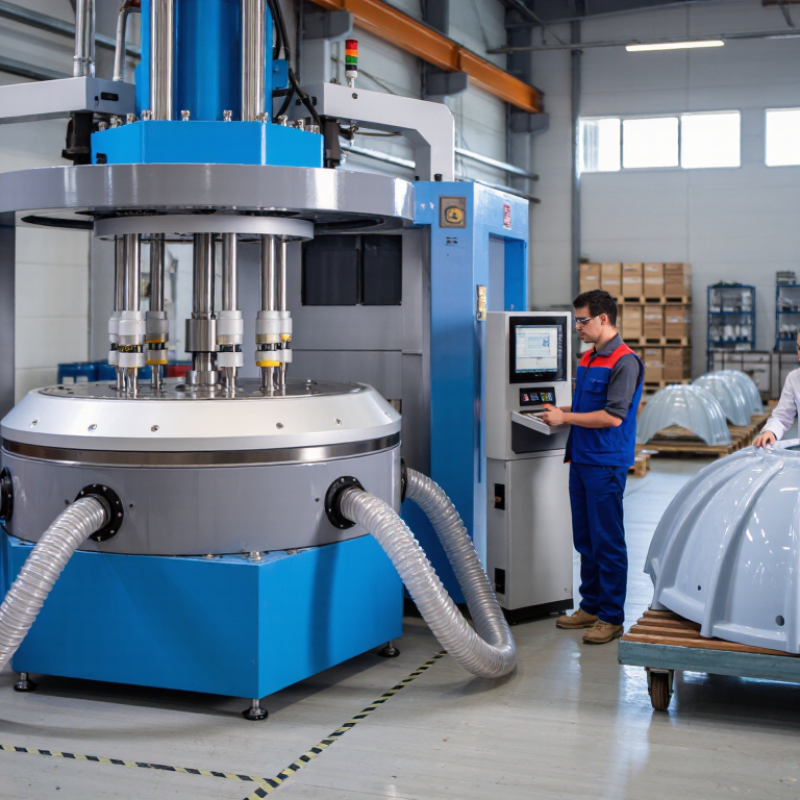
Top Reaction Injection Molding Manufacturers in 2026

Understanding Reaction Injection Molding and Its Applications

Reaction injection molding (RIM) makes parts by mixing reactive liquid components and injecting them into a closed mold. The mixture reacts inside the cavity and cures into a solid component. Compared with many high-pressure molding methods, RIM uses relatively low injection pressure, which can support large parts and less massive tooling. That does not make process control simple. Temperature, mix ratio, flow paths, and vent placement all affect filling, curing, and surface quality. A thin rib may fill differently from a broad panel, so mold trials matter.

RIM is used for applications such as vehicle interior panels, equipment covers, and durable housings. Designers value the potential for lightweight parts with complex shapes and varied wall thicknesses. Small details matter. Material choice must match the part’s real conditions, including heat, sunlight, impact, and cleaning chemicals. A resin that performs well indoors may not suit outdoor exposure. Inserts and mounting points also need careful planning, since stress can gather around them. Not every shape works. RIM can be a poor fit when tight tolerances or a high-gloss finish are essential; those targets may require extra tooling work and inspection.

Top Reaction Injection Molding Manufacturers in 2026

Understanding Reaction Injection Molding and Its Applications

Typical Reaction Injection Molding Process

How to read this chart: The numbers show the order of the process stages, not measured time or production volume. In RIM, reactive liquid components are metered and mixed, injected into a closed mold, and allowed to react and cure before demolding and finishing. The process is used to make parts such as automotive panels and equipment housings.

Criteria for Evaluating RIM Manufacturers in 2026

Criteria for Evaluating RIM Manufacturers in 2026

Evaluate a reaction injection molding (RIM) manufacturer by process control, not brochure claims. Ask how it monitors resin ratio, shot weight, mold temperature, and cure time. Request production records from a comparable part, including scrap rates and dimensional inspection results. Small variations matter. A housing that looks sound can still warp after cooling or fail around a mounting point.

Grand View Research’s 2024 polyurethane market report valued the global market at about USD 78.1 billion in 2023 and projected 5.8% annual growth through 2030. This figure covers polyurethane broadly, not RIM alone. It signals material demand, but does not prove a supplier can deliver consistent parts. Review its tooling design, prototype-to-production process, and capacity during peak orders. Ask who owns the mold and how repairs are documented.

Quality evidence should be practical. Look for traceable material batches, written inspection plans, and repeatable testing for impact, heat, and dimensional stability. Request samples from a normal production run, not hand-finished showpieces. Also discuss recycled content and scrap handling, where relevant to the application. A useful supplier will explain trade-offs plainly. Some details may remain uncertain until tooling trials; that is worth acknowledging.

Leading Reaction Injection Molding Manufacturers in 2026

Leading reaction injection molding manufacturers in 2026 distinguish themselves through repeatable process control, not just impressive equipment. RIM uses low-viscosity liquid components that react inside a closed mold, enabling large, lightweight parts with complex shapes. Experienced producers monitor mix ratio, material temperature, injection pressure, and cure time. A small deviation can leave a soft area or visible surface mark. Details matter.

Strong suppliers also help customers refine part geometry before tooling begins. They can review wall thickness, ribs, draft angles, and mounting points, then suggest practical adjustments that reduce distortion and simplify demolding. Ask how they validate prototypes, track batch records, and inspect finished parts. Clear answers matter more than polished sales language. Some projects need flame-retardant or weather-resistant formulations, while others prioritize impact strength or a textured finish. Capabilities vary, so request test data tied to the actual material and intended conditions. That takes practice. A capable manufacturer will explain limits as well as strengths, including trade-offs in tooling cost, cycle time, and cosmetic consistency. Do not assume every supplier can deliver the same result. RIM expertise is built through careful trials, honest feedback, and steady process improvement.

Top Reaction Injection Molding Manufacturers in 2026 – Leading Reaction Injection Molding Manufacturers in 2026

Industry-wide comparison guide: process facts and practical criteria for evaluating reaction injection molding suppliers, without company or brand rankings.

Evaluation Dimension Established Industry Facts What to Check with a Manufacturer
Core process Reaction injection molding (RIM) mixes reactive liquid components and injects them into a closed mold, where they react and cure into a finished part. Ask about mixing, metering, mold filling, cure control, and process monitoring for the specific material system.
Common material systems Polyurethane is widely used in RIM. Other reactive systems, including polyurea, are used for applications with different performance requirements. Confirm the exact resin formulation, available grades, material documentation, and suitability for the intended environment.
Filler and reinforcement options Filled and fiber-reinforced polyurethane systems are available. Reinforcement can increase stiffness, but may affect flow and part design. Review reinforcement type and loading, mechanical-property data, appearance requirements, and design-specific process trials.
Operating pressure RIM is generally a low-pressure molding process compared with conventional thermoplastic injection molding because reactive liquids have relatively low viscosity before curing. Request process-specific pressure information, mold requirements, and evidence that the proposed equipment can fill the part consistently.
Part size and geometry RIM is used for a broad range of component sizes, including large molded panels and complex shapes. Feasibility depends on the material, mold, and part design. Assess the supplier’s relevant part experience, maximum practical mold envelope, draft, undercuts, inserts, and tooling approach.
Wall design RIM design allows flexibility in part geometry, but uniform filling and curing depend on wall transitions, flow paths, ribs, and local thickness. Request a design-for-manufacturing review and confirm how the supplier evaluates fill, cure, warpage, and dimensional stability.
Tooling RIM tooling may use materials such as aluminum or steel. Tool choice depends on part geometry, expected production, tolerances, and process conditions. Compare tool material, expected maintenance, surface finish, repair plan, ownership terms, and validation requirements.
Production volume RIM is commonly selected for low-to-medium production volumes and larger parts where its tooling and processing characteristics are advantageous. Ask for a volume-specific cost model that includes tooling, material, labor, inspection, scrap, and anticipated cycle time.
Cycle and cure Parts cure in the mold, and demolding time varies with formulation, part design, mold temperature, and process settings. Request demonstrated cycle-time data from a representative part and clarify whether post-cure or other finishing steps are required.
Quality and validation Part performance and dimensional results depend on material control, mixing consistency, mold conditions, and repeatable process settings. Review inspection plans, material traceability, dimensional reports, testing capabilities, process-change controls, and customer-specific certifications.
Typical application sectors RIM parts are used in areas such as automotive, industrial equipment, construction, and consumer products, depending on the material and application requirements. Check experience with comparable part functions, environmental conditions, regulatory requirements, and end-use testing.

Note: This is a general, non-company-specific industry guide, not a verified ranking of individual manufacturers. Capabilities and production results vary by supplier, material, tooling, and part design; confirm all specifications directly with prospective manufacturers.

Comparing Manufacturer Capabilities, Materials, and Services

Choosing a reaction injection molding manufacturer means comparing more than quoted part prices. Check its experience with mold design, metering, mixing, and temperature control. Ask for examples of large, thin-walled parts and documented process consistency. Small details matter: a visible sink mark or uneven surface can undermine an otherwise sound enclosure. Fit matters.

Material capability should match the part’s job. Ask whether the supplier processes rigid or flexible polyurethane systems, and whether it can validate fillers, color, or other requested additives. Grand View Research estimated the global polyurethane market at USD 78.1 billion in 2023, with projected growth through 2030. That broad market figure is not a measure of RIM demand, but it underscores the range of polyurethane applications manufacturers may serve. Request data for your actual grade and geometry, not a generic material sheet.

Service scope separates capable partners from simple molders. Compare support for prototyping, tooling, finishing, assembly, and inspection, including how defects are recorded and corrected. Ask for sample reports on dimensional checks and repeat runs. A supplier may offer many services yet lack depth in one critical step. No scorecard catches every trade-off; my own comparison might overweight repeatability and underweight communication. Verify both before committing.

Sources: Grand View Research, Polyurethane Market Size, Share & Trends Analysis Report; supplier capability and quality records.

Industries Served by Reaction Injection Molding Manufacturers

Reaction injection molding manufacturers serve industries that need large, lightweight parts with detailed shapes. In automotive production, they make dashboards, consoles, bumpers, and protective covers. Polyurethane parts can combine a finished surface with structural features, reducing assembly steps. Yet each design still needs careful review for impact, heat, and long-term wear.

Medical equipment makers may use RIM for equipment housings, cart panels, and ergonomic covers. These parts often need smooth edges, cleanable surfaces, and room for controls or vents. Requirements vary by device and setting, so manufacturers should confirm material compatibility and cleaning needs early. Fit matters. A small mismatch can complicate assembly.

Construction, agriculture, and industrial equipment are other common markets. RIM can produce broad enclosures for machinery, where low weight and resistance to everyday knocks matter. Recreation products, such as sports equipment covers and vehicle components, also benefit from complex geometry and textured finishes. For each sector, a capable manufacturer evaluates part size, expected volume, tooling cost, and performance conditions before recommending a process. The answer is not always RIM. I would also question assumptions about “durable” surfaces: abrasion, sunlight, and chemicals can change performance, and prototypes may reveal issues that drawings miss.

Scroll to Top