Top 5 Tips for Choosing the Best PVC Foam Board?
Choosing the right PVC Foam Board can significantly impact your projects. According to a recent market report by ResearchAndMarkets, the global PVC Foam Board market is expected to reach $2.2 billion by 2026, driven by increasing demand in signage and construction industries. With its lightweight nature and versatility, this material is popular among professionals.
However, not all PVC Foam Boards are created equal. Selecting the best option involves careful consideration of several factors. Experts emphasize the importance of understanding specific project needs, such as durability, finish, and thickness. Inaccurate choices may lead to wasted resources, increased costs, and subpar results. For instance, using a low-quality board for outdoor applications can result in shrinkage and discoloration, rendering projects ineffective.
In an increasingly competitive market, making an informed decision is crucial. By grasping essential details about PVC Foam Board properties and applications, you can enhance your project's quality and longevity. The right selection harmonizes aesthetic appeal with functional performance, ultimately transforming your vision into reality.
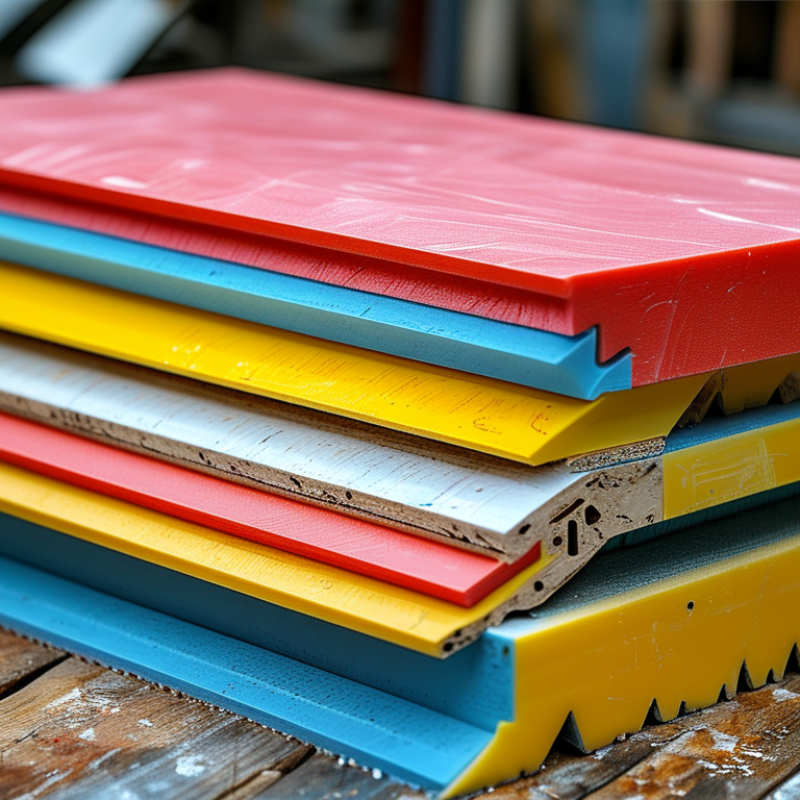
Understanding PVC Foam Board and Its Applications
PVC foam board is a versatile material highly favored in various industries, including signage, construction, and interior design. Its lightweight yet durable characteristics make it suitable for numerous applications. According to a 2022 market report, the global demand for PVC foam boards is expected to grow at a CAGR of 7.3% from 2023 to 2030. This growth reflects its popularity among architects and designers looking for practical solutions.
Understanding the applications of PVC foam board is essential. It serves as an excellent substrate for signage due to its smooth surface and resistance to weather elements. Additionally, it's often used in cabinetry and furniture due to its water-resistant properties. In markets like signage, over 60% of producers report choosing PVC foam board for its durability and ease of installation. However, environmental concerns have emerged, prompting some to reflect on alternative materials with lower ecological footprints.
Despite its benefits, not all PVC foam boards are created equal. Variations in thickness, density, and quality can impact performance. Some users have experienced issues related to warping and discoloration. Such flaws serve as reminders that careful selection is crucial. The material's sustainability also demands scrutiny, with ongoing discussions in the industry about recycling and material sourcing.
Evaluating Different Types of PVC Foam Boards Available
When evaluating PVC foam boards, it's essential to consider the various types available on the market. Common varieties are expanded and rigid PVC. Expanded PVC boards are lightweight and often used for signage and display purposes. They are easy to cut and shape, making them versatile for creative projects. Rigid PVC, on the other hand, offers increased durability. It's a better choice for applications requiring more strength, such as structural supports.
Another key factor to consider is the thickness of the boards. PVC foam boards come in different thicknesses, typically ranging from 3mm to 20mm. Thicker boards provide more strength and can handle heavier loads. However, they may be harder to work with. Think about your project's specific needs when choosing thickness. A common mistake is assuming that thicker means better for every application.
Surface finish also impacts the usability of PVC foam boards. Some have a smooth surface, while others are textured. Smooth surfaces are perfect for printing, while textured surfaces provide better grip. In deciding which finish suits your project, consider what you intend to achieve. Reflect on how each type meets your specific needs for appearance and functionality. Each choice carries its own advantages and potential drawbacks.
Top 5 Tips for Choosing the Best PVC Foam Board
| Tip | Description | Benefits | Considerations |
| 1. Material Density | Choose a board with appropriate density for your application. | Optimizes strength and weight balance. | Higher density may increase cost. |
| 2. Surface Finish | Select the finish to match your printing or painting needs. | Ensures better adhesion of inks or paints. | Glossy finishes may show fingerprints. |
| 3. UV Resistance | Look for UV-coated options for outdoor use. | Prevents fading and deterioration. | Not all boards are suitable for prolonged sun exposure. |
| 4. Thickness | Select the thickness based on structural requirements. | Thicker boards offer more durability. | Heavier and may require more support. |
| 5. Cost | Evaluate your budget against quality needs. | Ensures you don’t overspend while meeting requirements. | Cheaper options might compromise quality. |
Key Factors to Consider When Choosing PVC Foam Board
When selecting PVC foam board, key factors play a crucial role in ensuring you make the best choice. One vital factor is the board's density. It affects the durability and weight, influencing how well the board withstands pressure and impact. A higher density typically means increased resilience, making it suitable for various applications.
Another factor to consider is surface finish. PVC foam boards come in glossy or matte finishes. Glossy surfaces are easier to clean but show fingerprints. Matte finishes hide blemishes better but can be more challenging to maintain. Evaluate your needs carefully, as the finish impacts aesthetics and functionality.
Thickness is also important. A thicker board provides better insulation and durability but can be heavier and more expensive. Some projects may only require a thin board, while others benefit from the strength of a thicker option. Always reflect on your specific requirements and applications.
Choosing the right PVC foam board can feel overwhelming. It’s essential to gather feedback from users, assess various materials, and reflect on their uses. Don't rush this decision; careful consideration leads to better outcomes.
Quality Features to Look for in PVC Foam Boards
When selecting a PVC foam board, it’s crucial to pay attention to its quality features. A good quality PVC foam board is lightweight yet durable, making it suitable for various applications. According to a 2022 industry report, the ideal density for PVC foam boards ranges from 0.3 to 0.7 g/cm³. This density provides the right balance between strength and weight. Boards that fall within this range are often more impact-resistant and versatile.
Another key feature is the surface quality. A smooth, even surface will provide better print results and overall aesthetics. The thickness of the board also plays a significant role. Common thicknesses vary from 3mm to 19mm, depending on the expected use. For example, thicker boards tend to withstand stress better, making them ideal for signage and displays. However, they can be harder to handle and cut.
When comparing options, consider the board’s moisture resistance. Quality PVC boards should be resistant to water and chemicals, enhancing their longevity. Reports indicate that boards treated with anti-aging agents can last up to 10 years outdoors. However, some lower-quality boards may deteriorate quickly, revealing the importance of thorough checks before purchase. These features collectively shape the board's performance and usability in both commercial and residential projects.
Top 5 Features to Consider When Choosing PVC Foam Board
Tips for Comparing Prices and Suppliers of PVC Foam Board
When comparing prices and suppliers of PVC foam boards, it's crucial to do extensive research. According to a recent industry report, prices can vary by as much as 30% based on quality and supplier reputation. Understanding your specific project needs helps narrow down options. For example, lightweight boards may be cheaper but may not provide the durability needed for outdoor use.
Consider reaching out to multiple suppliers. Request samples to assess the quality firsthand. According to a survey, 45% of professionals indicated that quality often exceeds brand perception in their purchasing decisions. Look for detailed specifications such as thickness and density. Ensure that suppliers can provide certifications, as this adds an extra layer of trust.
Measuring total costs is important. A cheaper upfront cost doesn’t always mean savings. Hidden fees, such as shipping or handling, can inflate the final price significantly. Reflection on your needs can save money in the long run. Don't overlook the importance of customer reviews, as they provide insight into service reliability. The balance of cost, quality, and supplier credibility plays a significant role in selecting the right PVC foam board.


