JHY PCB Blog Hub

Your Source for Expert PCB Design, Manufacturing, and Assembly Insights – Stay Informed with 2025 Trends!

What is a Waterproof Connector and How Does It Work?

Waterproof Connectors are essential in various industries, ensuring reliable connections in challenging environments. According to a recent market report by Industry Research, the global waterproof connector market is projected to reach $10 billion by 2026, growing at a CAGR of 7.5%. This underscores the increasing demand for durable and resilient electrical connections.

These connectors prevent moisture from disrupting electrical circuits, which can lead to failures or safety hazards. The automotive and marine industries heavily rely on waterproof connectors. In fact, IT and telecommunication sectors are also adopting these components to enhance their equipment's longevity. The functionality of waterproof connectors varies by design, with materials and sealing methods playing crucial roles.

Despite advances in technology, some designs may still face challenges against extreme conditions. For example, incorrect sealing or installation can compromise effectiveness. Understanding these nuances is vital for selecting the right waterproof connector. Making informed choices can significantly impact system performance and reliability.
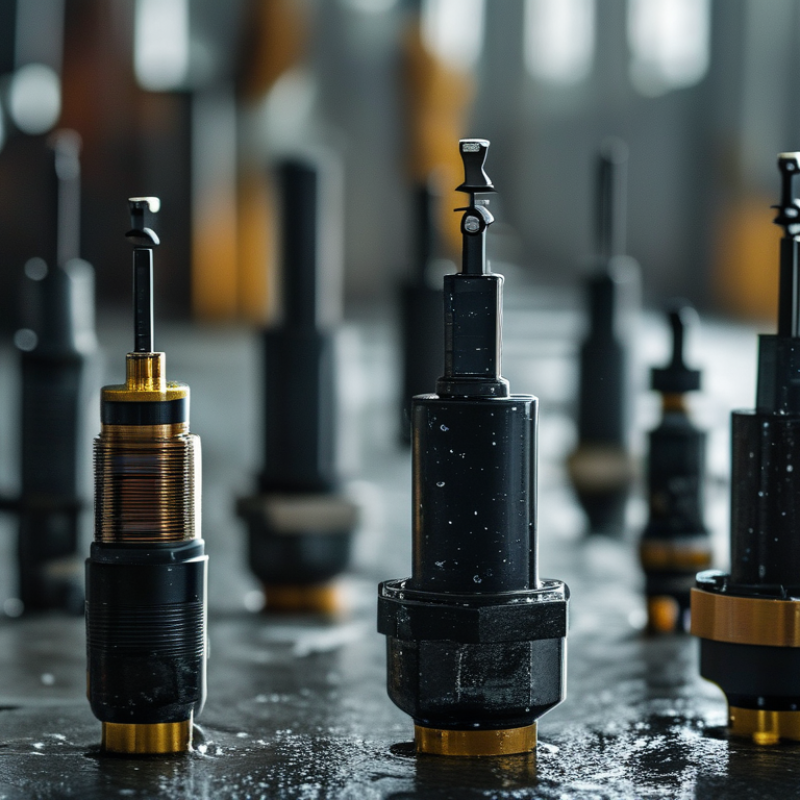
What is a Waterproof Connector and How Does It Work?

What is a Waterproof Connector?

Waterproof connectors are essential components in many electronics and electrical applications. They are designed to prevent moisture from entering connections, which can lead to short circuits and failures. These connectors are commonly used in automotive, marine, and outdoor equipment. The materials used in their construction often include rubber or silicone seals that provide a tight fit.

The working principle of waterproof connectors involves a physical barrier that keeps water and contaminants out. These connectors generally feature locking mechanisms that ensure a secure connection. A well-designed waterproof connector can withstand harsh environments, including extreme temperatures and high humidity. However, not all waterproof connectors are created equal. Some may degrade over time, particularly if used improperly.

Choosing the right waterproof connector requires consideration of the specific environment it will operate in. It's important to assess factors such as pressure, temperature, and exposure to chemicals. There can be trade-offs between a high level of water resistance and ease of use. Careless selection might lead to premature failure. Reflecting on these factors can help ensure reliable performance in real-world applications.

Types of Waterproof Connectors and Their Applications

Waterproof connectors are crucial in various industries where moisture or water exposure is a concern. There are several types of waterproof connectors, each designed for specific applications. Circular connectors are common in automotive and marine environments. They provide excellent protection against water and dust. Their secure locking mechanism is vital in high-vibration scenarios.

Another type is rectangular connectors, often used in industrial equipment. They can withstand harsh conditions and offer a robust solution for machinery and outdoor applications. These connectors usually have gaskets or seals that prevent moisture ingress. Additionally, there are specialized connectors designed for extreme conditions, such as underwater or high-pressure environments. They can endure significant stress while maintaining electrical integrity.

While these connectors are engineered to be resilient, users must ensure proper installation. Incorrect usage may lead to failure during critical situations. Regular maintenance is also essential. Over time, seals wear out and require replacement. Awareness of these aspects can help prevent issues and extend the lifespan of waterproof connectors.

How Waterproof Connectors are Designed and Constructed

Waterproof connectors are essential in various industries. They are designed to withstand harsh environments, protecting electrical connections from moisture and debris. Their construction incorporates durable materials and specific sealing mechanisms that prevent water intrusion. Common designs include gaskets, O-rings, and hermetic seals, which create barriers against water. Each component is rigorously tested to ensure reliability under challenging conditions.

Tip: Choose connectors based on your specific application. Not all waterproof connectors are made equally. Some may work better in extreme temperatures or specific exposure to chemicals. Understanding the environment will guide your selection.

While these connectors are expertly designed, limitations exist. Over time, seals can degrade, allowing water to penetrate. Regular inspection and maintenance are crucial to ensure long-term functionality. It’s important to replace aging components before they fail.

Tip: Always check the connector's rating. Manufacturers provide valuable data about their water resistance levels. This information is key to proper use and longevity. Never assume a connector will last indefinitely without proper care and attention.

The Mechanism of Sealing in Waterproof Connectors

Waterproof connectors play a crucial role in various industries by preventing moisture and contaminants from compromising electrical connections. The mechanism of sealing in these connectors involves the use of advanced materials and engineering techniques. Typically, these connectors feature gaskets or O-rings that provide a barrier against water ingress. According to a report by Research and Markets, the global waterproof connectors market is projected to grow at a CAGR of 5.2% from 2021 to 2026, reflecting the increasing demand for reliable sealing solutions.

When designing waterproof connectors, engineers must consider multiple factors. The environmental conditions significantly impact the choice of materials. For example, silicone and polyurethane are commonly used for their excellent sealing properties. These materials must withstand not only water but also temperatures and chemicals present in various applications. Testing standards, such as IP ratings, indicate the level of protection against water and dust. An IP68 rating, for instance, signifies complete protection against dust and immersion in water beyond 1 meter.

Despite these advancements, challenges remain in ensuring long-term reliability. The sealing effectiveness can degrade over time, particularly in extreme environments. Regular maintenance and inspection are vital to identify wear and tear. Manufacturers are continually refining their designs and materials to enhance durability. The evolving landscape of waterproof connectors highlights the importance of innovation in ensuring safety and performance across different sectors.

Benefits and Limitations of Using Waterproof Connectors

Waterproof connectors are essential in various applications. They ensure reliable connections in environments exposed to moisture. However, while they provide significant benefits, there are limitations to consider.

The primary benefit of waterproof connectors is their ability to prevent water ingress. This protection extends the lifespan of electronic devices. In industrial settings, they safeguard vital equipment from damage. Additionally, they enhance safety by reducing the risk of electrical shorts. This is especially important in outdoor or marine environments. Reliability in harsh conditions is critical for maintaining operations.

On the downside, waterproof connectors can be more expensive than standard connectors. Their installation may require specialized tools and skills. This adds to the overall project cost. Some users may find maintenance challenging due to their complex sealing mechanisms. If damaged, replacement can be difficult and costly. This has led some to question their practicality in less demanding environments. Evaluating the specific needs of a project is crucial when considering waterproof connectors.

Scroll to Top